HOW DO I PREVENT PANCREATIC CANCER?
What is the Pancreas?
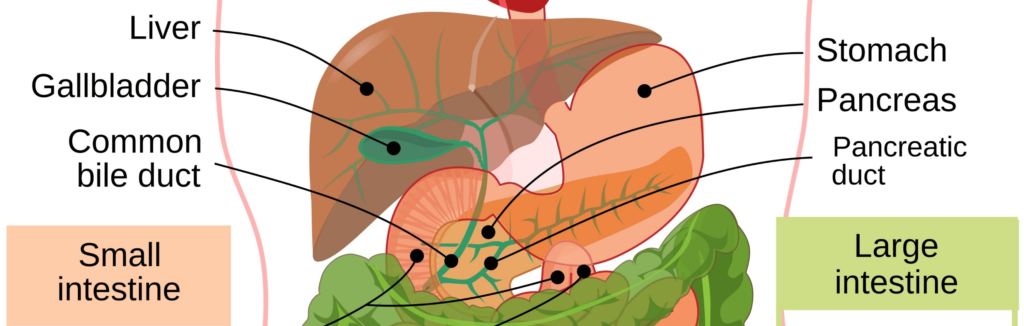
The Pancreas is an Endocrine organ because it produces hormones such as Insulin and Glucagon to regulate blood sugar function and Exocrine organs because it produces digestive function.
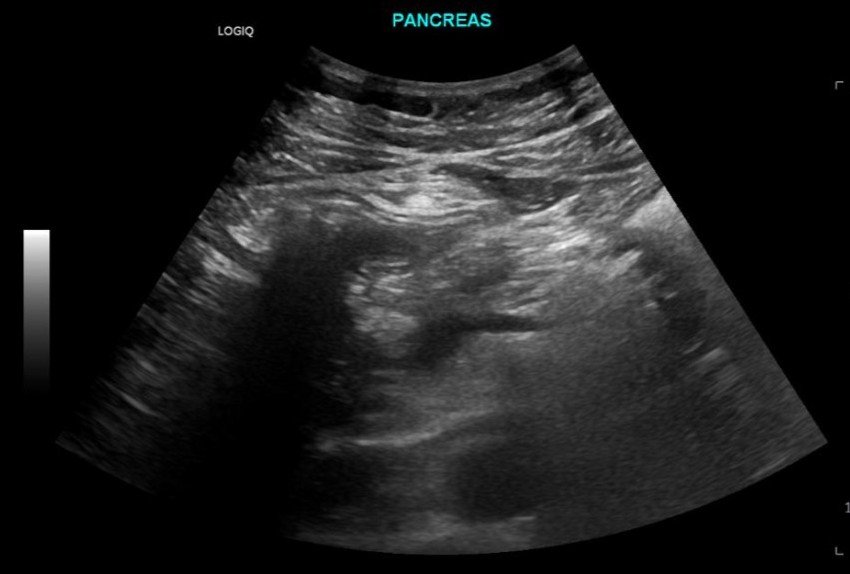
Why is Ultrasound not useful for Pancreas ?
A large part of the body, neck and tail of the Pancreas is hidden behind the Stomach and therefore cannot be seen during Ultrasound. If you are thin, maybe your Head of Pancreas (HOP) is visible to Ultrasound and even then it is not always visible due to overlying bowels. This remains the biggest challenge to screening for Pancreatic Cancer because there is no cheap and effective way of screening for Pancreatic Cancer.
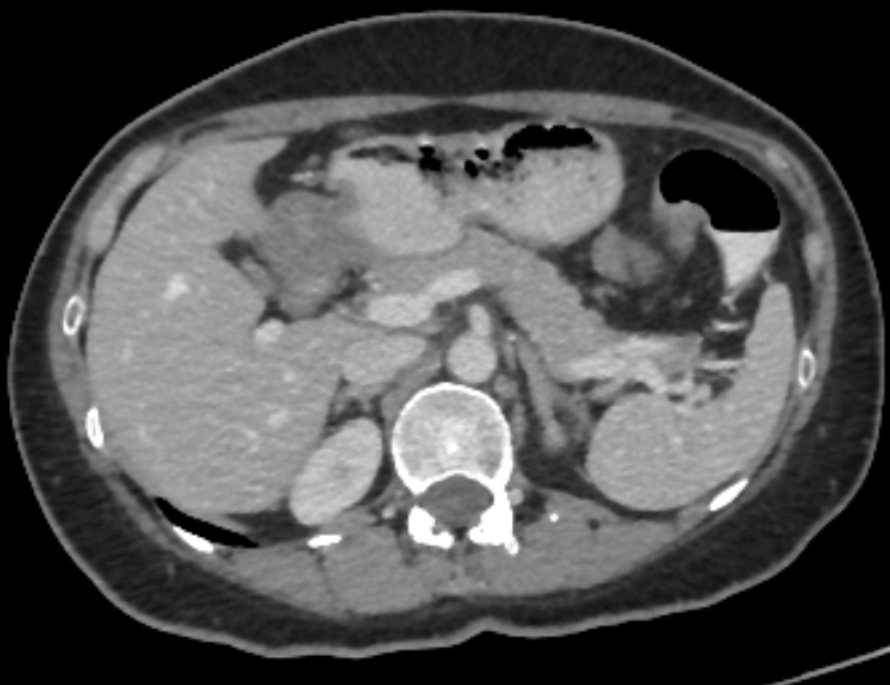
How to Screen for Pancreatic Cancer?
Most Pancreatic Cancers are picked up in patients who had CT scans performed for presenting with painless jaundice or severe abdominal pain often not responding to Gastric Medications.
Pancreatic Cysts
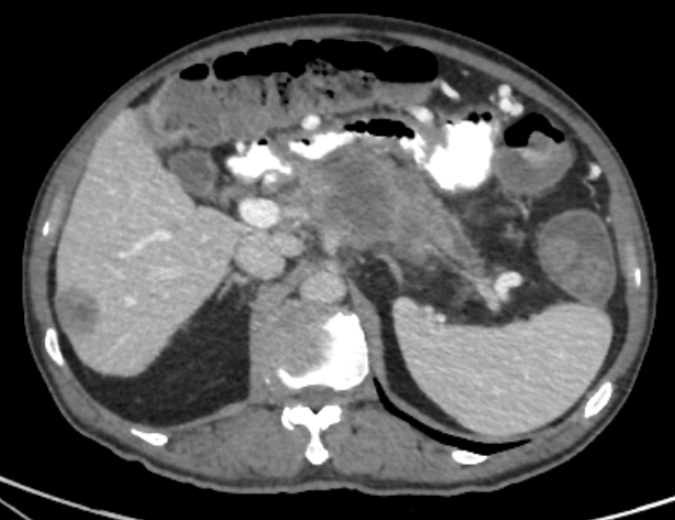
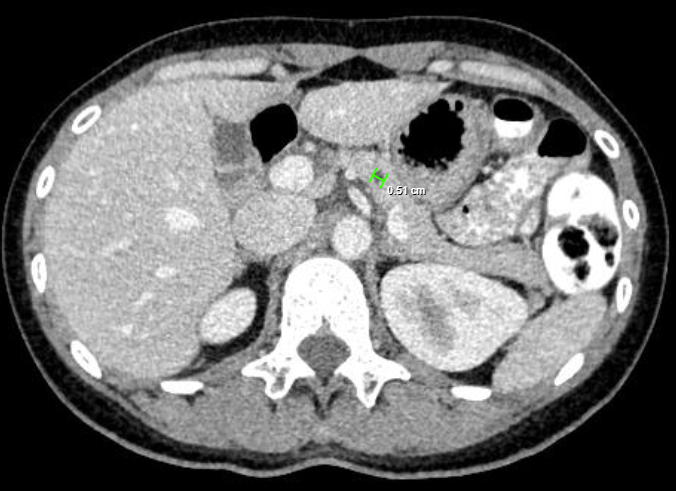
So if you are lucky enough to have a CT scan for other reasons, mostly for severe stomach pains, it is quite common these days to have incidental findings of Pancreatic Cyst. Although it is an incidental findings, it is very important for Pancreatic Cyst to be assessed and followed-up as some Pancreatic Cyst have potential to become Pancreatic Cancer. However some Pancreatic Cysts are also completely benign and do not require surgery. It is therefore important to assess Pancreatic Cysts appropriately so that Pancreatic Cancers are avoided but at the same patient do undergo unnecessary surgery.
Raised CA19.9 in Your Blood Test
A lot of Malaysians routinely perform blood tests whether it is part of Corporate health checks, routine check at GP clinic or lab promotion at their Pharmacy. It is quite common to get a borderline raised tumor marker such as raised CA19.9 or CEA. It is very important to get properly assessed because both CA19.9 and CEA are markers for solid organ tumors, meaning it can occasionally be produced elsewhere.
Tumor markers are very helpful especially if you have a trend because it establishes a baseline. Any deviation from this baseline then warrants further investigation. However you need to be aware that different equipment in different labs can have different results and reporting units.
Mimics of Pancreatic Cancer
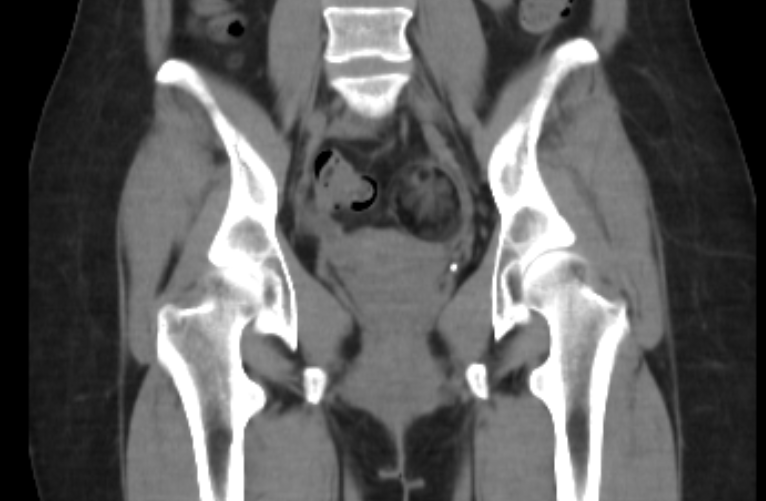
Autoimmune Pancreatitis (AIP) is occasionally a condition that mimics Pancreatic Cancer creating confusion, especially since it tends to affect the older people, that is the same population at risk for Pancreatic Cancers. Autoimmune Pancreatitis is managed with Steroids whereas Pancreatic Cancer is treated with Chemotherapy. The same patient 6 months apart, first scan showed a normal Pancreas whereas the second scans shows extensive tumor. Repeat biopsies have been negative for cancer. A raised serum IgG4 is useful but a negative test does not rule out Autoimmune Pancreatitis.


Do I need to see a Specialist?
If you are have issues with your Pancreas or concerned about Pancreatic Cancer, please contact us to discuss your health condition today.
What to do next?
See our packages or contact us to discuss your health concerns.


