Previously we read about ALARM symptoms and how you should get assessed as soon as possible if you have any of the symptoms. However screening for esophageal cancer is about early detection of changes that have potential to become cancer and removing it before it progresses to become cancer and spread.
HOW DO I DETECT EARLY CANCERS IN THE OESOPHAGUS
What is the Esophagus?
Esophagus is known as the food pipe as it connects your mouth to your stomach. The esophagus plays a vital function to push food from your mouth into the stomach via a function known as peristalsis.
Cancers in the esophagus can either occur in the upper or middle esophagus where the cells of the esophagus known as the non-keratinized stratified squamous epithelium becomes cancer or at the junction of the esophagus and the stomach known as the Gastroesophageal Junction (GOJ/GEJ) because this is where esophageal tissue meets the lining of the stomach known as simple columnar epithelium tissue.
Esophageal Squamous Cell Carcinoma (ESCC)
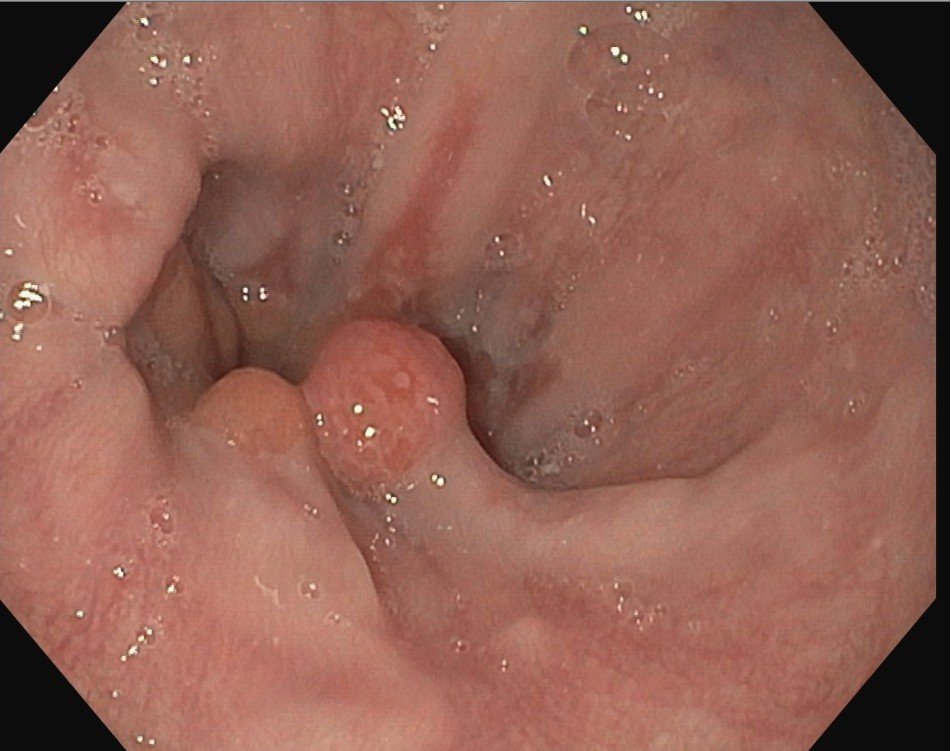
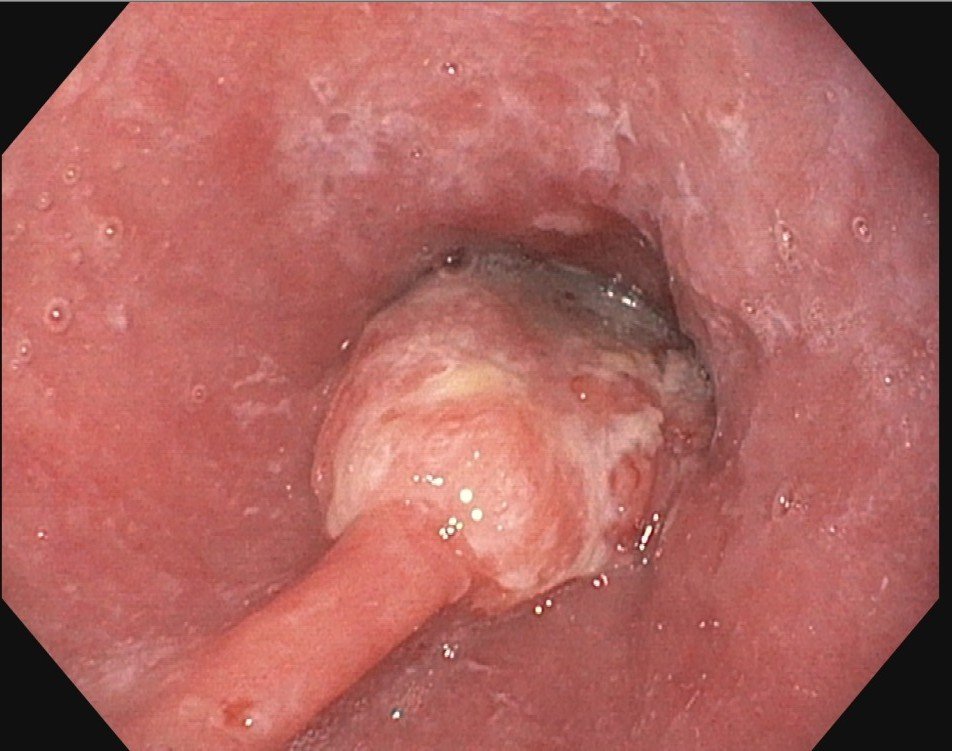
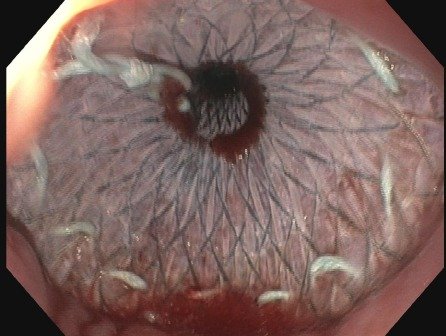
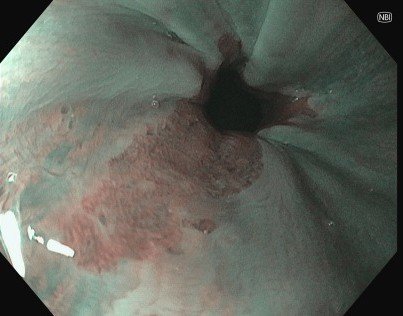
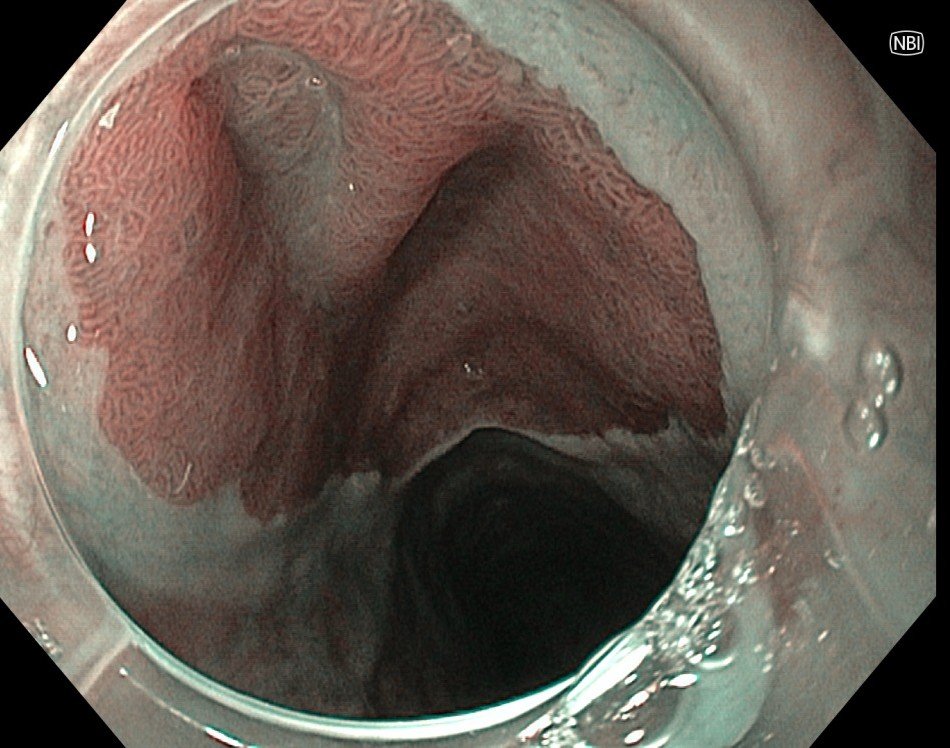
Early esophageal cancers are almost never symptomatic, but it can be detected and cured by removal during endoscopy. However most symptomatic esophageal cancers have often spread and therefore cannot be cured, and patient require therapies such as radiotherapy and stenting. In the modern days, Endoscopist uses established technologies such as Narrow-Band Imaging (NBI) and classifications such as Intrapapillary Capillary Loops (IPCL) to detect early esophageal squamous cell cancers and remove it endoscopically before it progresses. It equally important to identify and remove unknown lesions in order to establish diagnosis and determine cancer potential.
Barrett’s Oesophagus
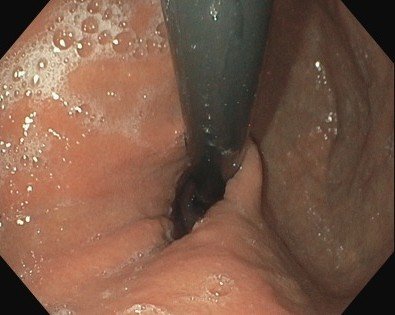
Another important condition is Barrett’s Esophagus usually due to Acid Reflux or Gastroesophageal Reflux Disease (GERD) at junction of the esophagus and stomach causing the change of tissue type in the esophagus. The normally squamous cells of esophagus is gradually replaced by columnar cells of the stomach in a process known as columnar metaplasia. This condition requires careful assessment of the Barrett columns, removal of nodules, and assessment of early cancers at each endoscopy. Patient also often require lifelong surveillance and lifelong Proton Pump Inhibitors. Patient’s with Barrett’s esophagus also require proper biopsy using protocols such as Seattle Protocol after proper acid suppression in order to ensure proper diagnosis.
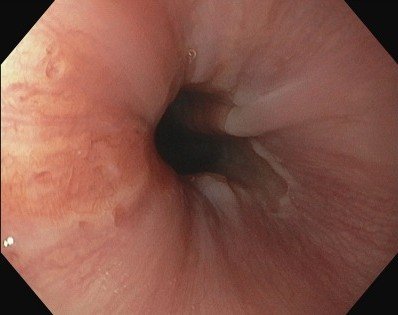
Acid Reflux and Gastro-Esophageal Reflux Disease (GERD)
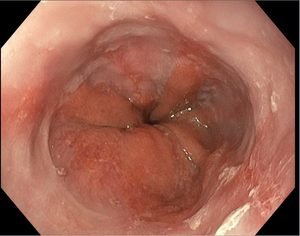
GERD or Acid Reflux can also often present atypically. Not all patients will have stomach discomfort, some patients can present with Asthma like symptoms and others can present chest pains mimicking a heart attack, throat discomfort or swallowing difficulties.
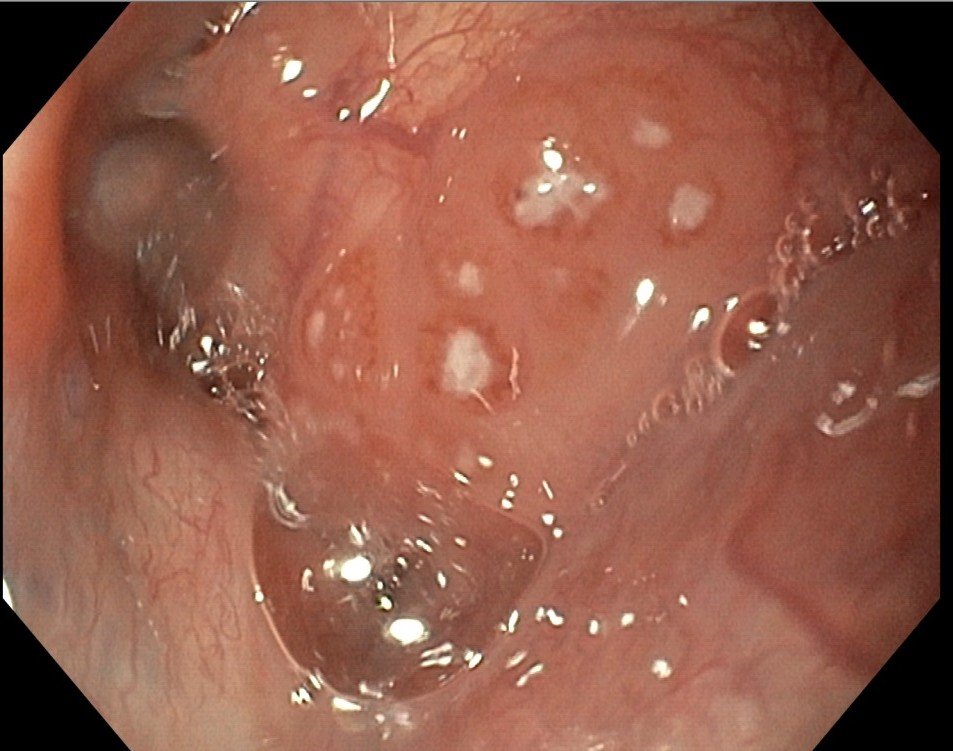
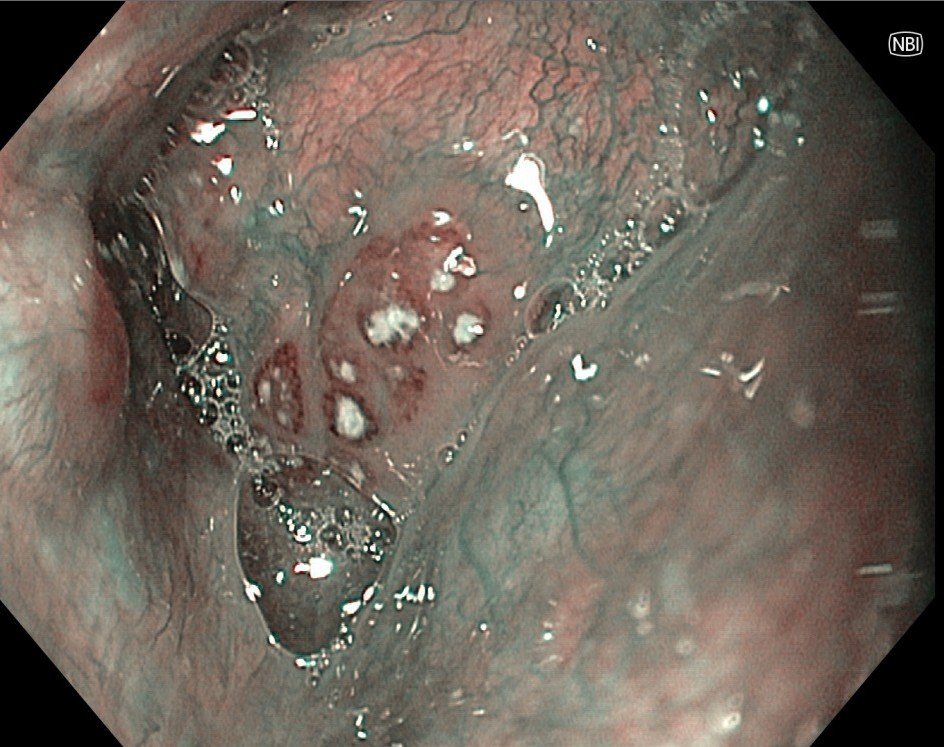
Treatable Conditions of the Oesophagus
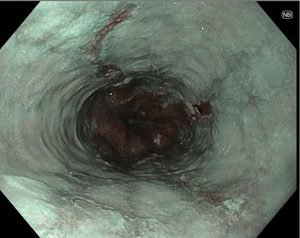
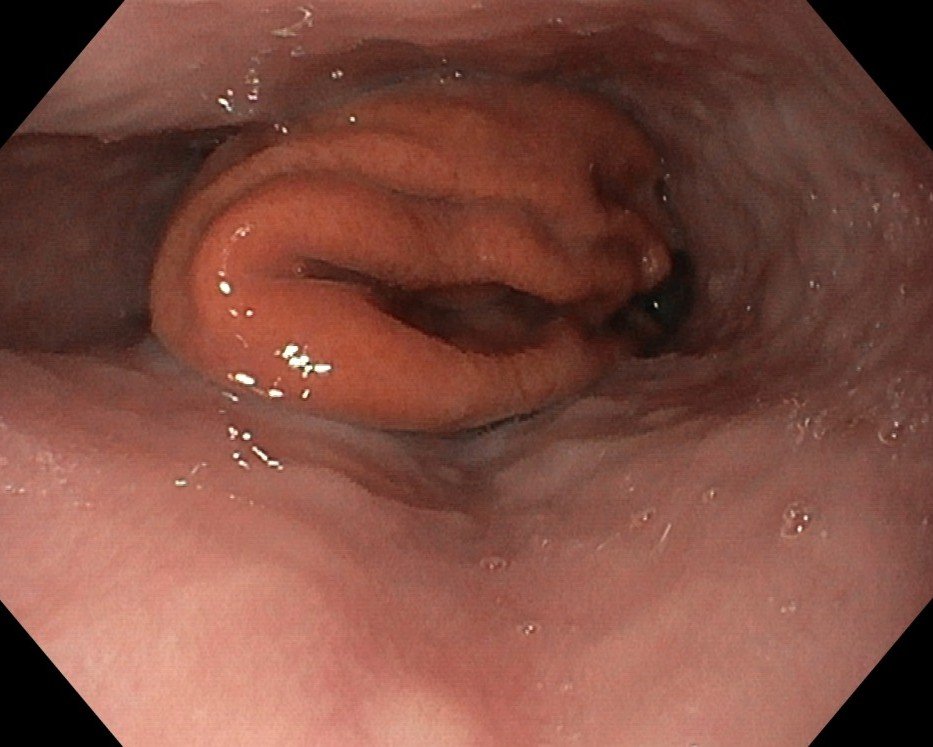
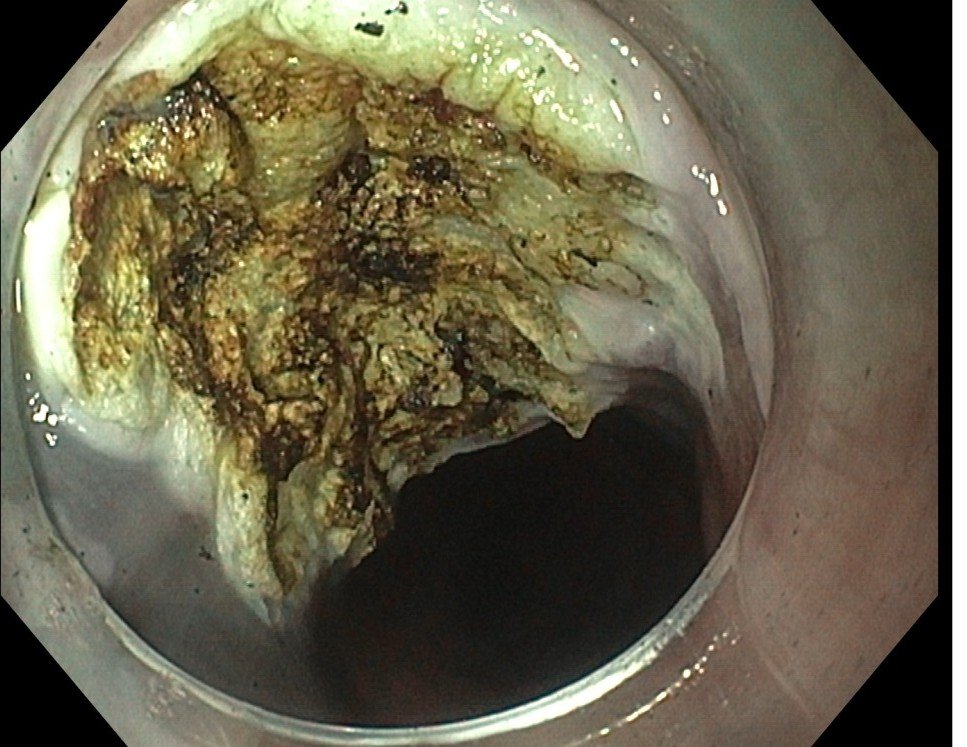
It is important to note that some causes of GERD and Acid Reflux can be cured. Patients which conditions such as Cervical Inlet Patch can have the condition cured by endoscopic treatments whereas patient with large Hiatus Hernia would benefit from Surgical Repair.
Alternative to Endoscopy
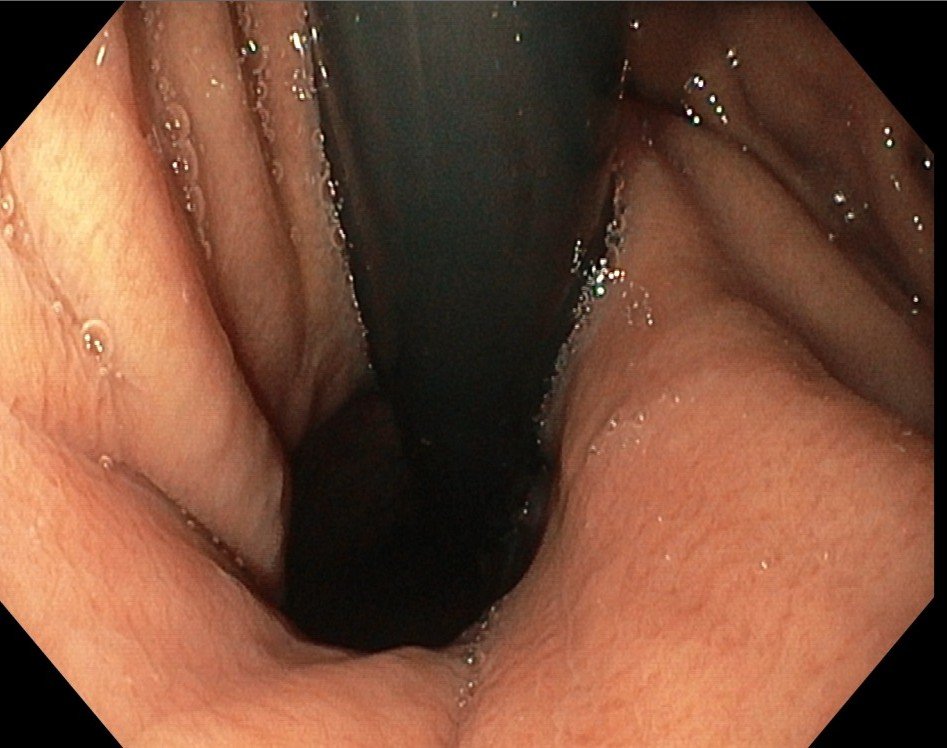
Generally speaking, no other modalities allow visual assessment and biopsy of the oesophagus like Endoscopy. Blood test and Urea Breath Tests (UBT) are only useful for the assessment of Helicobacter Pylori infection. Ultrasound cannot visualize the oesophagus and CT scan cannot see the inside of the oesophagus nor does it allow tissue sampling.
Do I need to see a Specialist?
Gastroenterologist like myself are trained to detect early changes in your esophagus before it can become cancer. I utilize technologies such as Narrow Band Imaging (NBI) to accurately detect and identify precancerous lesions and early cancer lesions, so that it can be biopsied for confirmation in order to enable endoscopic removal. If you are concerned about having esophageal cancer or would like to screen for esophageal cancer, please contact us to discuss your health condition today.


