Do you know somebody, friend or family, that suffers from cancer? Perhaps you have strong family history and you are concerned? or you want to do a health check but unsure what is the test you need?
HOW DO I PREVENT CANCERS IN THE GASTROINTESTINAL TRACT ?
The problem with cancers, especially in the Gastrointestinal tract, is that most cancers have spread by the time it becomes symptomatic. Pre-cancerous lesions and early cancers rarely have symptoms, if any at all. Tumor markers are often not reliable with low cancer detection rates. Therefore most Gastroenterologist depends on imaging such as CT scans and Ultrasound with Endoscopy in order to detect early cancers.
What is the Gastrointestinal (G.I.) Tract and where can I get cancers commonly?
The Gastrointestinal tract commonly refers to the following organs:
- Esophagus
- Stomach
- Colon
However, most people often overlook important areas where cancers can also hide such as :
- Rectum
- Appendix
- Small bowel
Also, the following organs are connected to the Gastrointestinal tract and forms an important part of the Gastrointestinal tract:
- Liver
- Pancreas
- Gallbladder
ALARM Symptoms
Simply put, ALARM symptoms are symptoms you should not ignore. These are RED FLAG symptoms that mean you should get checked immediately without delay. It also often means that you should get specialist assessment as soon as possible.
- A – Anaemia
- L – Unexplained Loss of Weight
- A – Age more than 40 years old
- R – FeveR or Pain
- M – Bleeding from the Gastrointestinal Tract such as Melena (black, purple or green tarry stool) or fresh blood
Anaemia
Anaemia is defined as low hemoglobin, usually less than 13 g/dL in men and 12 g/dL in women. The most important type of anaemia in the context of cancers is Iron Deficiency Anaemia (IDA), commonly manifesting as microcytic (Low MCV) and hypochromic (Low MCHC) in your blood count because this means you are losing iron, usually through bleeding.
It is important to note:
- Women menstruate – so anaemia is quite common.
- Men do not menstruate – so all anaemia must be investigated.
- Trends are very useful, if you normally have a hemoglobin of 16 g/dL, a drop to 13 g/dL, while still within normal, indicate a drop of 3 g/dL and requires investigation
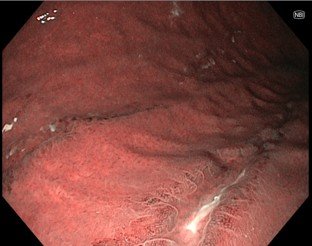
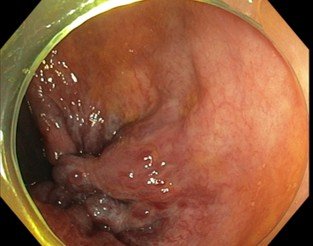
Case: A lady that came with anaemia with a hemoglobin of 4.8 g/dL.
Unexplained Loss of Weight
We all want to lose weight, so this should be good news right? Surely yes if you started eating healthy and exercising. However unexplained weight loss is when you are losing weight despite following your regular routine meals or you are eating more food to maintain your body weight.
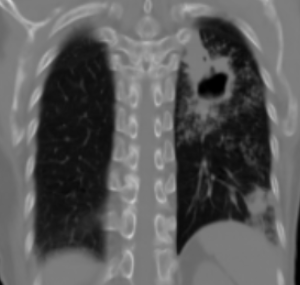
Case: Patient had loss of weight and difficulty swallowing.

Age more than 40 years old
Basically when you develop NEW symptoms such as reflux, bloating, stomach pain, diarrhea or bleeding after the age of 40 years old, you should it get it checked out by a specialist.
Yes I am fully aware most guidelines use the age of 50 years old. Later on I will show you the 35 year old guy who presented with cancer that spread to his lymph nodes and you be the judge. The idea of this article is to prevent cancers, the age of 50 years is used in Guidelines as it involves Public Health and significant costs to the healthcare system to screen those below 40 years old.
Case: Patient developed bleeding with fresh blood.


Fever and Pain
Fever, defined by a temperature of more than 38 degrees Celsius, is never ever normal. Naturally most of handle cough and flu with a fever by taking some Paracetamol for 2 or 3 days. But beyond this period, especially in Asia, you really need to checked.
Pain again is never normal. All new onset of pain should be assessed and investigated.
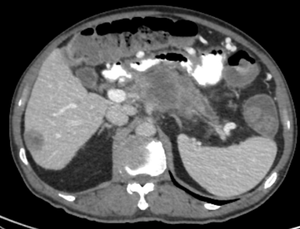
Case: Abdominal pain and fever

Bleeding
Bleeding from the Gastrointestinal Tract (G.I. tract) is commonly divided into Upper Gastrointestinal Bleeding (UGIB) or Lower Gastrointestinal Bleeding (LGIB).
Patients with Upper Gastrointestinal Bleeding most commonly present with melena, which is a black, dark purple or dark green liquid tarry stool, often with a distinctive smell. In Asia, it is most commonly due to either Helicobacter Pylori (H.Pylori), blood thinners (such as Aspirin or Clopidogrel) or painkillers. This is a Medical Emergency and patient should go to the hospital straight away.
Patients with Lower Gastrointestinal Bleeding most commonly present with fresh blood either seen on their toilet bowl or their tissue paper when they are wiping. Most often attribute this to piles (hemorrhoids), but it is important to get an endoscopy to investigate because other cancers can be missed.

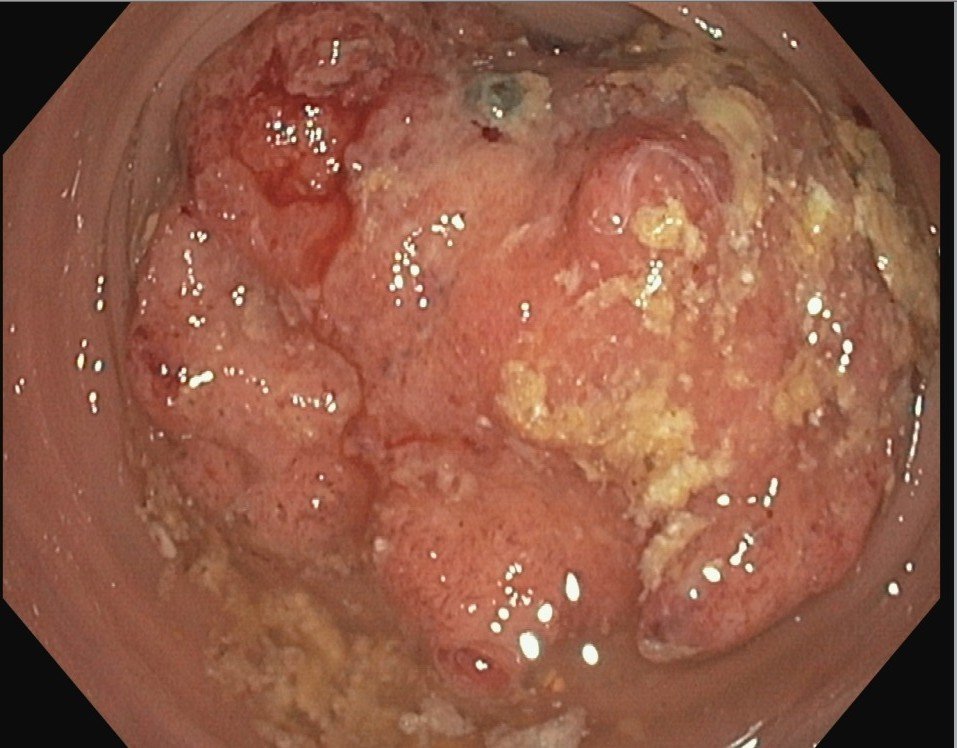
Tenesmus
Tenesmus is the constant repeated sensation that you need to empty your bowels even though your bowels are already empty. It usually indicates a problem in the rectum. Occasionally tenesmus is either accompanied by mucous or bleeding.
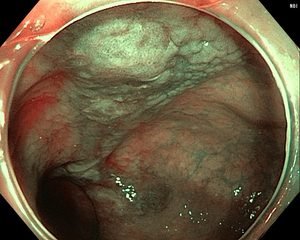
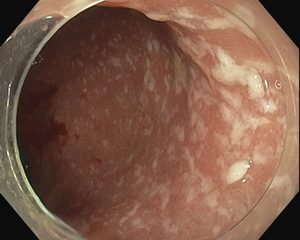
Altered Bowel Habits
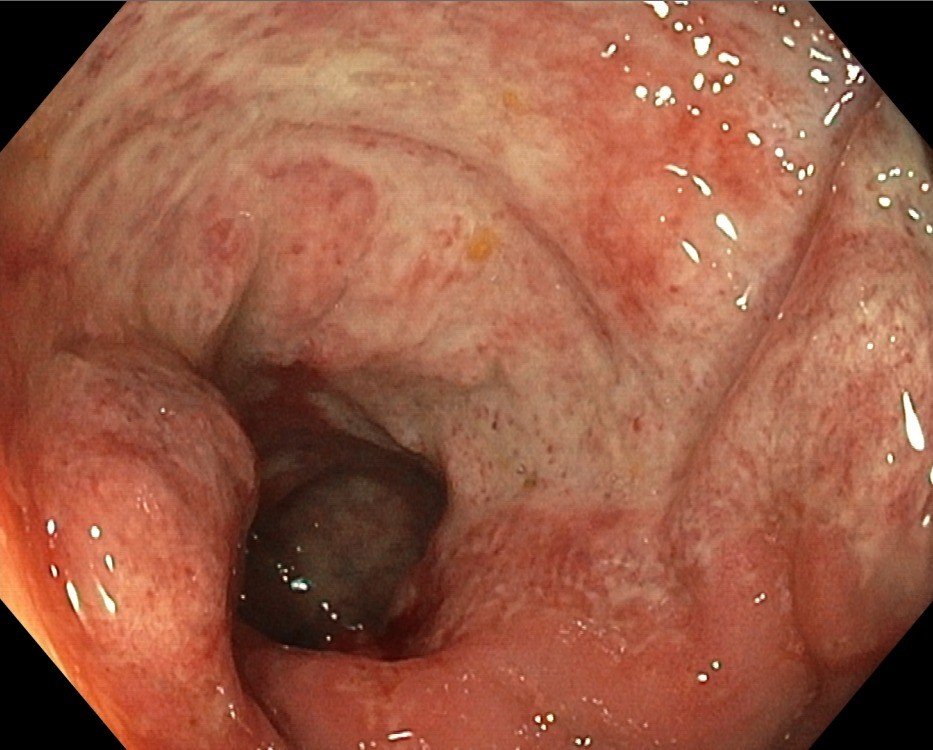
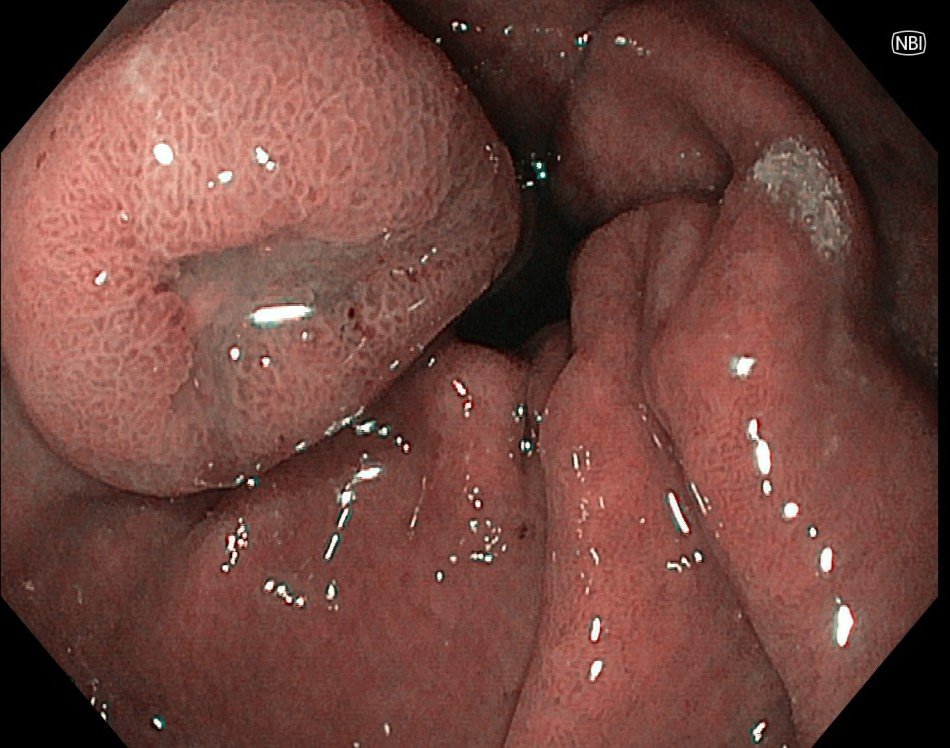
Altered or change in bowel habits is a change in your own normal bowel habits. This is the hardest ALARM symptom to define because all of us have different bowel habits and there is a significant variation in the frequency we open our bowels. Likewise anything new and different such as stomach cramps, bloating, mucous in stool or diarrhea also warrants further investigation.
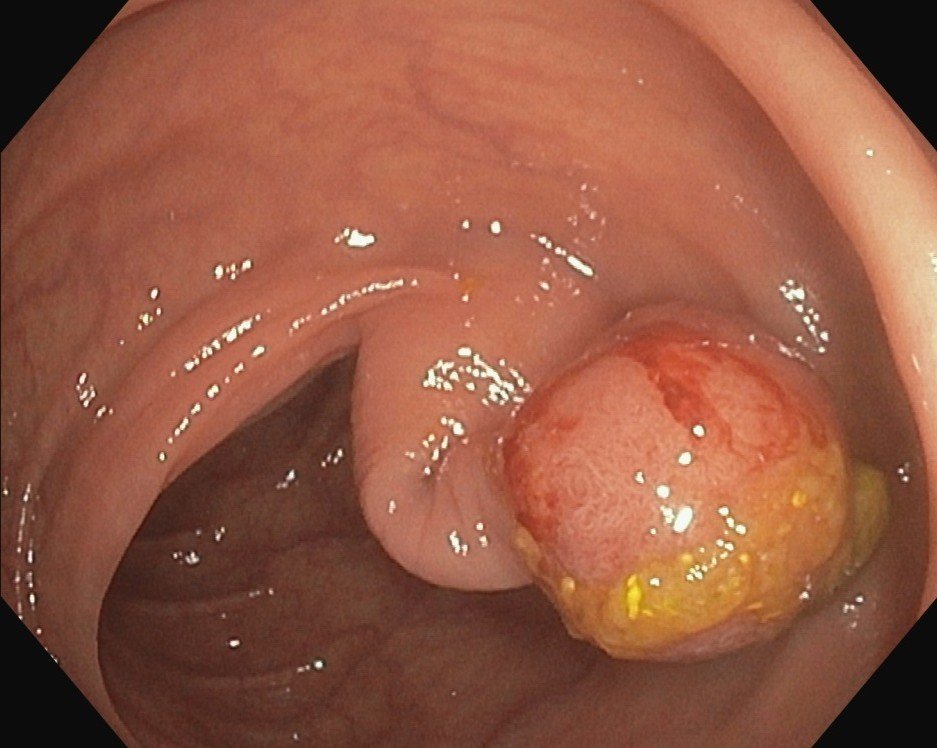
New Constipation or Unable to pass motion
Especially in the elderly, new constipation, especially when they have not opened their bowels for several days, might indicate a more serious underlying medical condition such as bowel obstruction, usually from colon cancer. This is an emergency because patient might require emergency surgery to relieve the obstruction.
Do I need to see a Specialist?
It is quite common for Malaysians to seek healthcare advice from their Friends, Ai, Traditional Medicine Practitioners, Pharmacists and General Practitioners (GP) before getting Specialist Assessment, and this is quite normal around the world. However if these treatments fail or if your symptoms are recurring, then Gastroenterologists like myself use a combination Bloods, ECG, Imaging (Ultrasound and/or CT scans) and Endoscopy (Gastroscopy and/or Colonoscopy) to ensure you get your accurate diagnosis, usually within the same day, so that you can receive the appropriate treatment.
If you have any ALARM symptoms, you should see a Specialist as soon as possible. Contact us today if you are experiencing any of the symptoms above.


