WHAT IS LIVER CIRRHOSIS?
Stages of Liver Damage
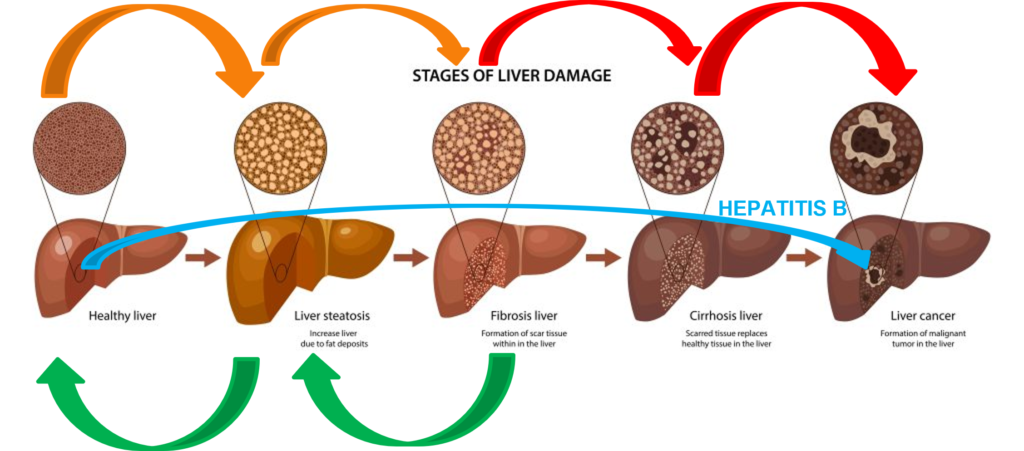
Liver Cirrhosis is the final stage of liver damage usually from years of abuse from Fatty Liver, Diabetes, Alcohol or Hepatitis B. Read about Liver Damages here. The only curative treatment for Liver Cirrhosis at the moment is Liver Transplant. In Malaysia, Cadaveric Liver Transplant for Adults is only available at Hospital Selayang.
Again, it is important to understand that Liver Damage occurs in Stages. Healthy Liver gets damaged in stages of Fatty-Fibrosis-Cirrhosis and all Liver Cirrhosis will eventually develop Liver Cancer called Hepatocellular Carcinoma (HCC). The only exception to the this is Hepatitis B that can develop Hepatocellular Carcinoma (HCC) even in a normal liver.
Types of Liver Cirrhosis
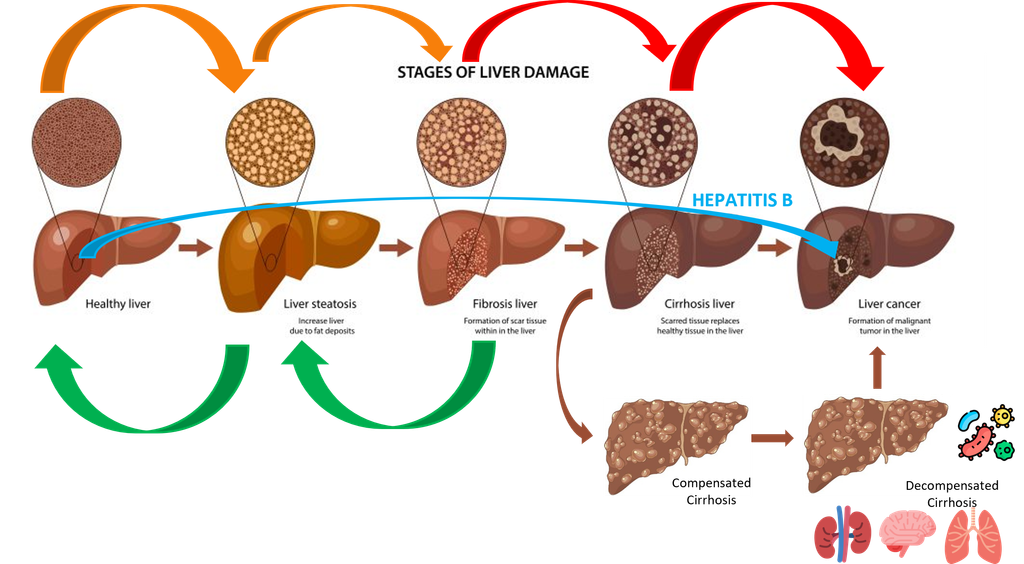
Complications of Decompensated Liver Cirrhosis
The first time patients with Liver Cirrhosis come with vomiting blood (bleeding Esophageal Varices), protuberant abdomen (Ascites) or change in behavior (Hepatic Encephalopathy) marks the progression of Liver Cirrhosis from Compensated to Decompensated Liver Cirrhosis. This is an important turning point because most patients have a limited lifespan once they develop Decompensated Liver Cirrhosis unless they are planned for a Liver Transplant.
It is also very costly to manage a patient with Decompensated Liver Cirrhosis as most patients will have repeated admissions for infections, fluid accumulation in the abdomen (ascites) and confusion (hepatic encephalopathy). As the disease progresses, most will also develop kidney impairment.
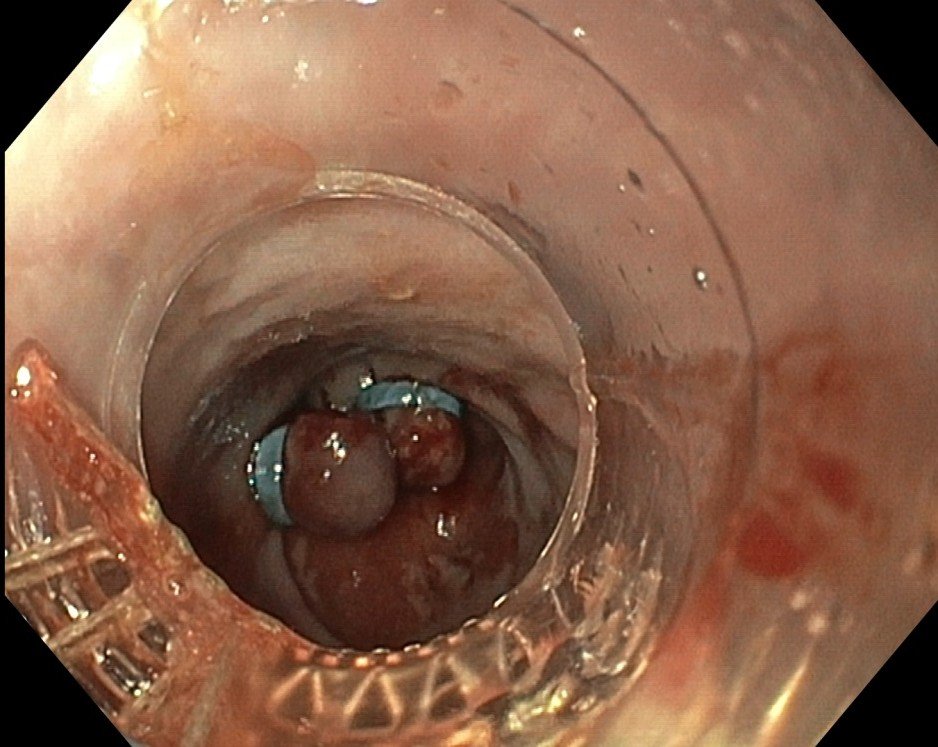
Esophageal Varices
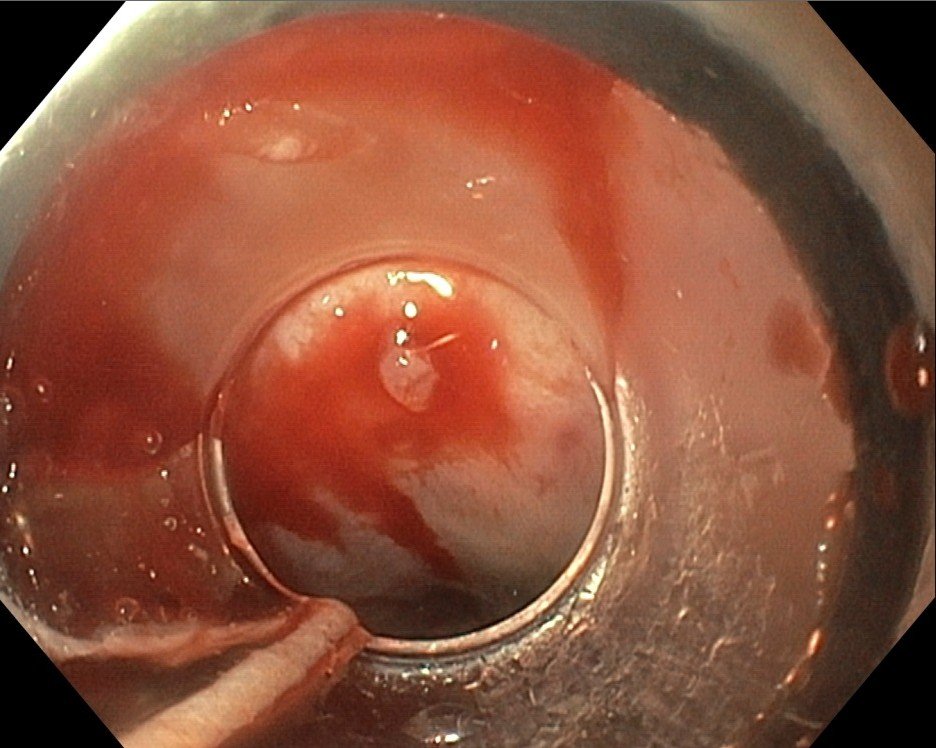
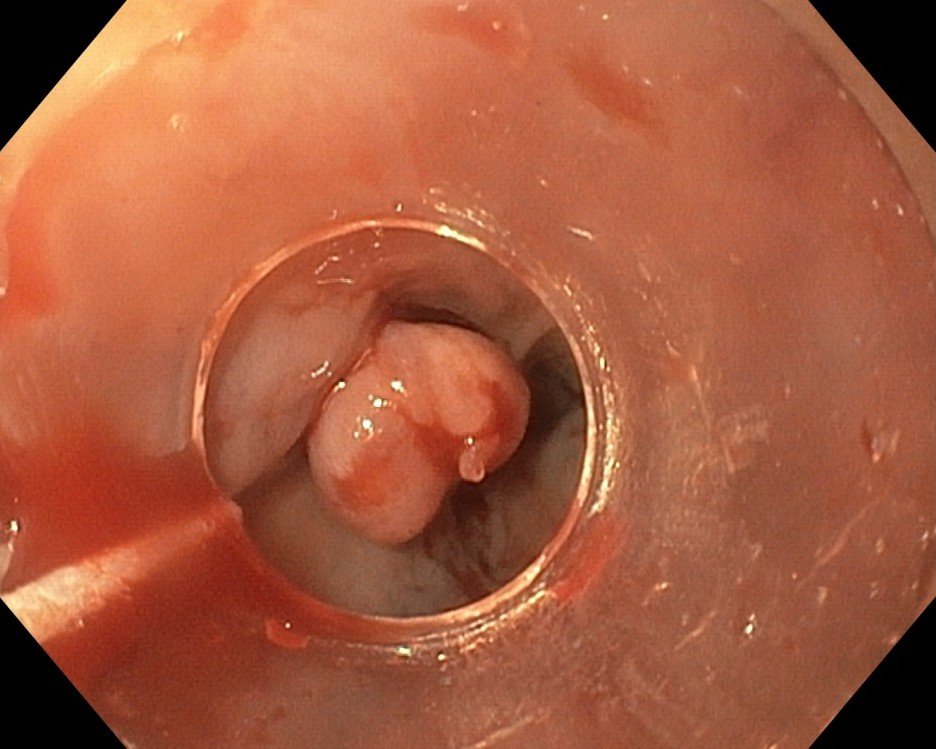
Esophageal varices is a complication of Liver Cirrhosis called Portal Hypertension. The blood supply of the Liver is under pressure due to raised Portal Pressure leading to Portal Hypertension causing Esophageal Varices. In this cases where patient was bleeding, patient has to receive Oesophagogastroduodenoscopy (OGDS) followed by Rubber Band Ligation (Banding). Patient was subsequently discharged home on Non-Selective Beta Blockers (NSBB) such as Carvedilol and antibiotics to prevent rebleeding. Patient will require further surveillance endoscopy to ensure all varices are eradicated.
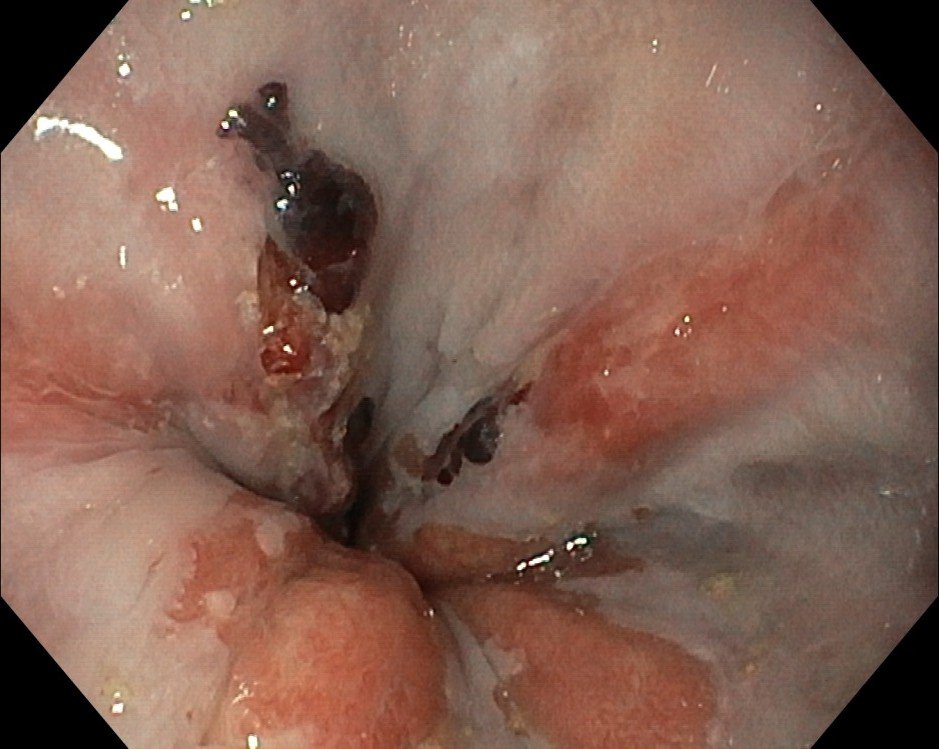
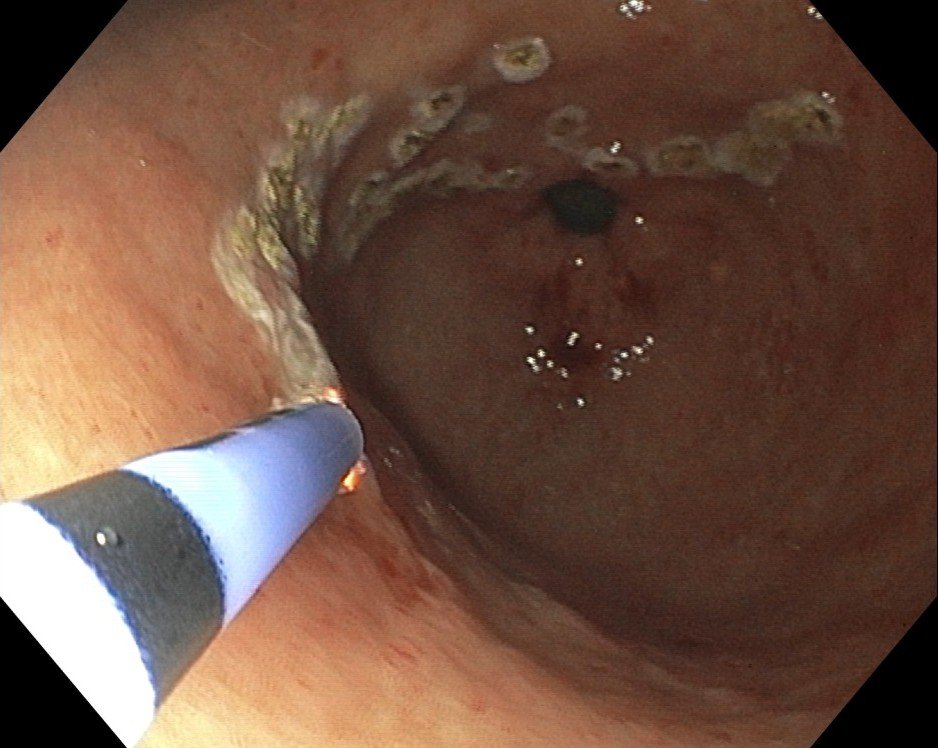
Gastric Antral Vascular Ectasia (GAVE) a.k.a Watermelon Stomach
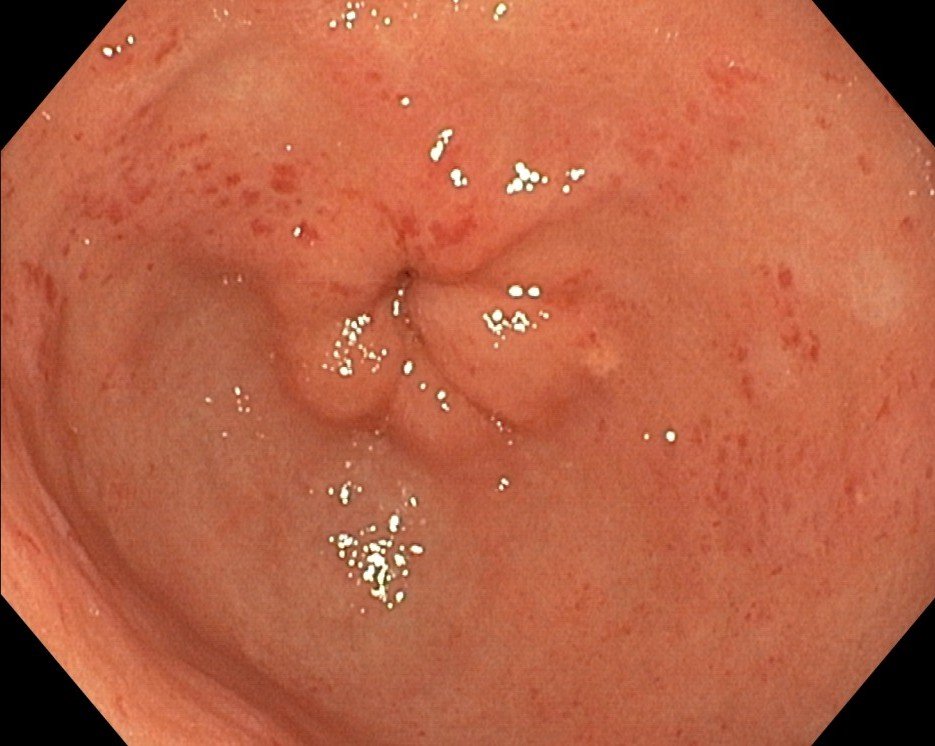
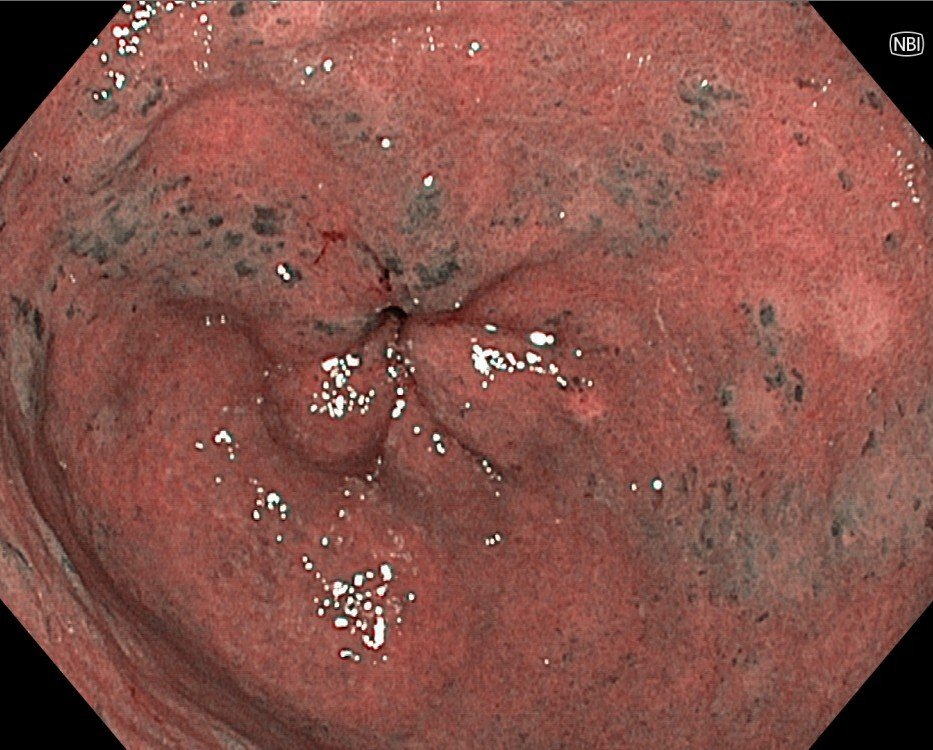
Another less common reported complication but causes recurrent Iron Deficiency Anaemia (IDA) in patients with Liver Cirrhosis is Gastric Antral Vascular Ectasia (GAVE) also known as Watermelon Stomach. The blood vessels are fragile and tend to have slow bleeding. Patient usually do not have symptoms but often require repeated Blood Transfusions.
Fluid in the Abdomen (Ascites) and Peritoneal Tapping
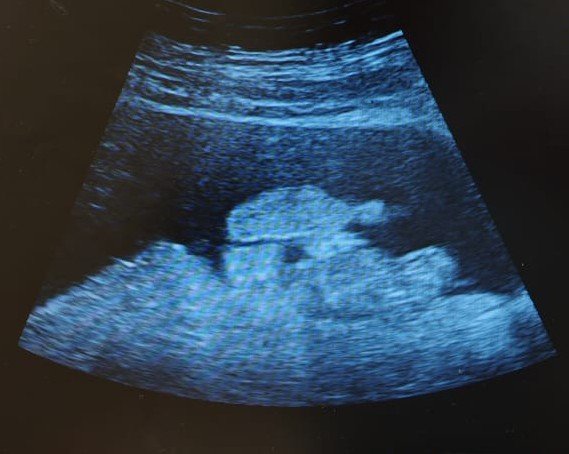
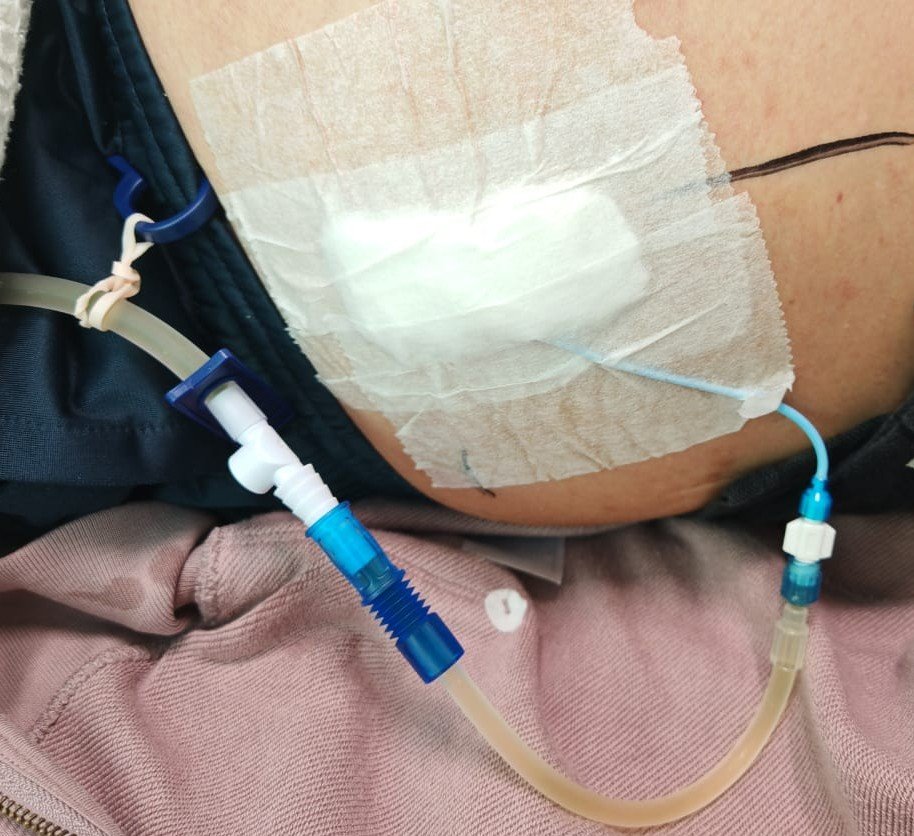
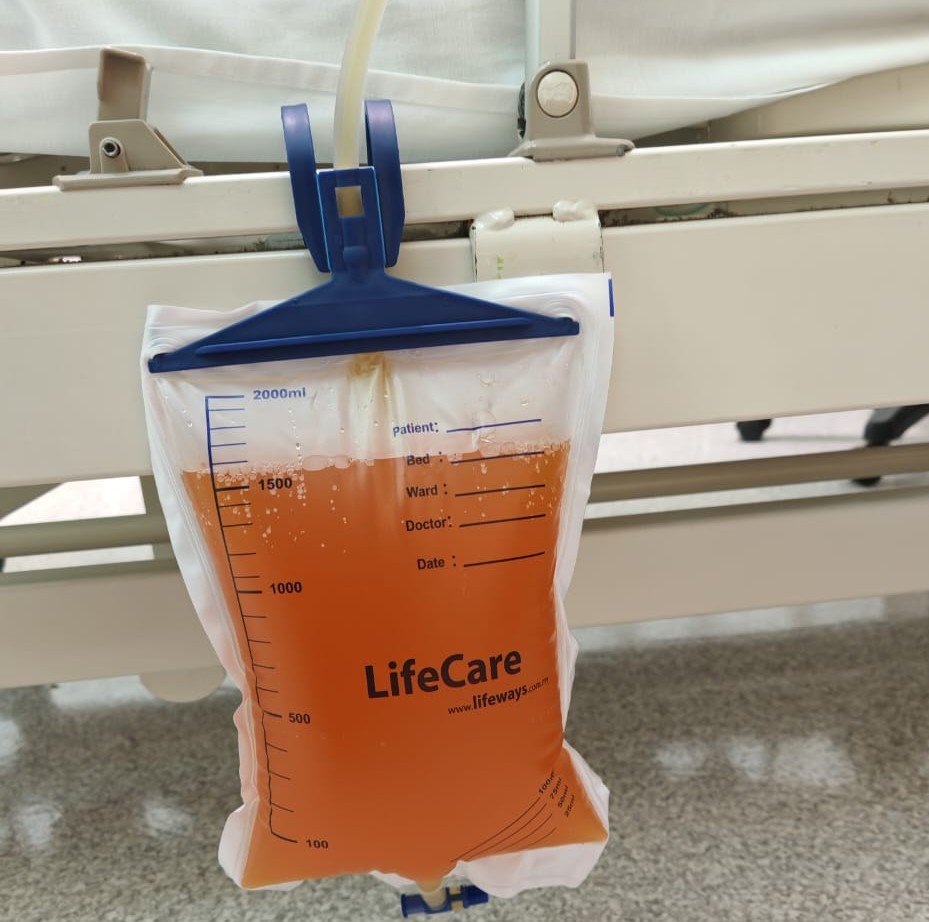
It is quite common to see patients with Decompensated Liver Cirrhosis walking like a pregnant lady whereby they have a large protuberant abdomen. This abdomen is fluid with fluids called Ascites and Ascites quite often gets infected in a condition called Spontaneous Bacterial Peritonitis (SBP). Repeat admissions for Spontaneous Bacterial Peritonitis (SBP) on the other hand causes Antibiotic Resistance due to repeated antibiotic administration. Patients often have their Ascites drained, Albumins replaced, and discharged on Antibiotics for Spontaneous Bacterial Peritonitis (SBP) and Diuretics (such as Frusemide AND Spironolactone) to delay recurrence.
Hepatic Hydrothorax
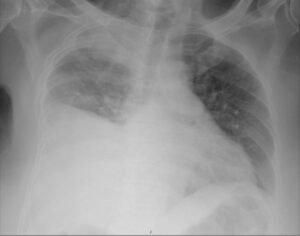
Patients with fluid accumulation in the abdomen (Ascites) can also have fluid accumulation in the lungs in a condition called Hepatic Hydrothorax.
Hepatic Encephalopathy
Hepatic Encephalopathy (HE) is usually triggered by infections or marks the progression of Decompensated Liver Cirrhosis where the Liver is no longer able to clear the Toxin Ammonia from the body.
Hepatorenal Syndrome
Hepatorenal Syndrome (HRS) again is usually triggered by infections or very high doses of Diuretics. Again this is Advanced Decompensated Liver Cirrhosis.
Low Blood Pressure
Most patients with Decompensated Liver Cirrhosis will have borderline to low Blood Pressure because most would be on a combination of Non-Selective Beta Blockers (NSBB) such as Carvedilol and Diurectics (such as Frusemide and Spironolactone). Therefore it is common and will only need action if patient has symptoms such as Dizziness.
Constipation
Constipation is again common as most patients will have poor appetite, won’t eat or drink much water anyway. It is important to aim for 2 bowel movements with soft stools a day. Patients can get Lactulose over the counter.
Hepatocellular Carcinoma (HCC) and its Complications
Portal Vein Thrombosis (PVT)
Portal Vein Thrombosis (PVT) can occur in patients with Liver Cirrhosis due to altered coagulation in these group of patients. These patients would normally require Oesophagagogastroduodenoscopy (OGDS) and eradication of Esophageal Varices prior to commencement of Anticoagulation.
However Portal Vein Thrombosis (PVT) can also occur in patients with Hepatocellular Carcinoma (HCC) and in this context it is most likely a Tumor Thrombus. This patient normally are not anticoagulated.
Bleeding Hepatocellular Carcinoma (HCC)
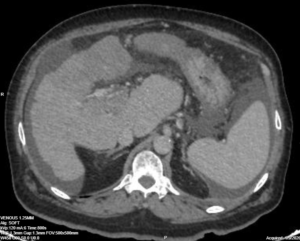
Patients with Bleeding Hepatocellular Carcinoma (HCC) are often discovered when they have what we call a bloody tap, that is when we insert a needle to drain the ascites, we find blood in the abdomen.
How to Care for Patients with Liver Cirrhosis
Cancer Surveillance
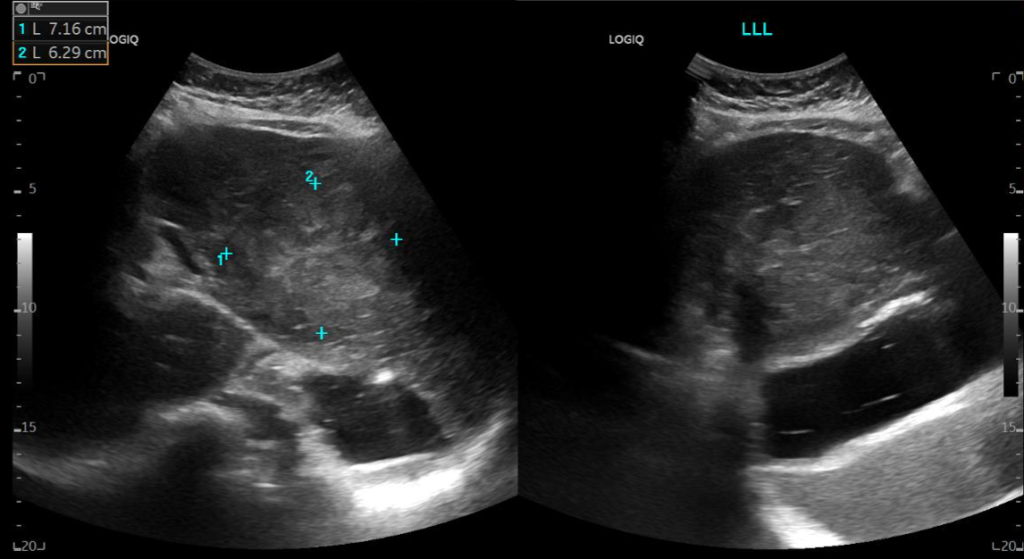
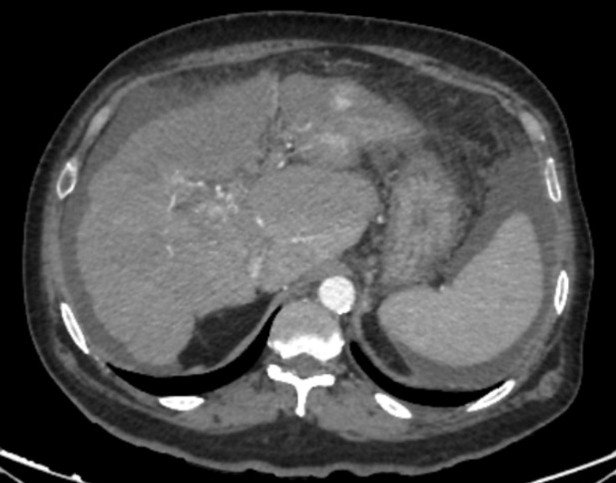
Patient with Liver Cirrhosis are inevitably going to develop Hepatocellular Carcinoma (HCC). Therefore it is important to screen for HCC using Tumor Markers such as Alpha Fetoprotein (AFP) and Ultrasound. Any new findings in the Ultrasound of patients with Liver Cirrhosis would require follow-up scans such as repeat Ultrasound or CT scan of the Liver.
Low Salt Diet, not Fluid Restriction
Most patients with Decompensated Liver Cirrhosis and Ascites will have ankle swelling quite similar to those Heart and Kidney patients. Heart and Kidney patients will require Fluid Restriction of 0.5 to 1 litre of fluids per day. Liver Cirrhosis patient DO NOT require Fluid Restriction, in fact the opposite, they should be given plenty of fluids. Liver Cirrhosis patients have Salt Restriction, they MUST NOT take additional soy sauce, salted fish or flavourings.
An easy rule to follow is people with Liver Cirrhosis can eat the salt in their cooked food, but not additional.
Poor Appetite
Poor appetite in Liver Cirrhosis is Multifactorial. People with large Ascites would require drainage before their appetite would recover. Additionally some of the medications and even Liver Cirrhosis itself can alter patient’s appetite. Worse still Low Salt Diet often renders the food unpalatable and therefore patients refuse to eat.
A simple reasonable workaround is usually continuing food that is familiar to the patient, cooked in a way preferred by the patient, but without additional salt. They would benefit from a High-Protein Diet but it should be a plant based protein. Click here to see the AHA Plant Based Proteins.
Fibroscan
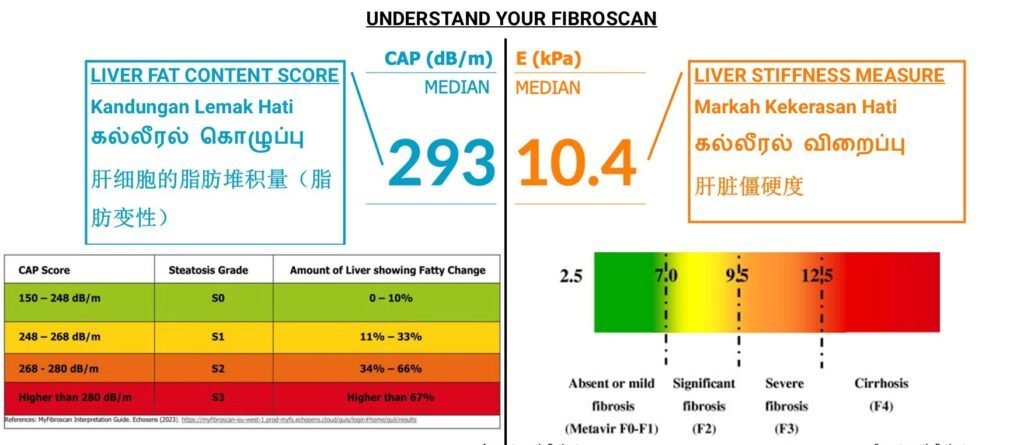
Fibroscan is a type of test called Liver Elastography useful that works by estimating in patients with Fatty Liver to quantify the degree of Liver Fat Content (CAP Score) and Liver Stiffness in patients with Liver Diseases such as Fatty Liver, Hepatitis B and C. It is quick and pain free and only requires patients to be fasted for 3 hours. This is now particularly useful for patients who refuse to have endoscopy to screen for Esophageal Varices where alternatively they can have a Blood Test and Fibroscan to predict their risk of Esophageal Varices (Portal Hypertension) and therefore start Non-Selective Beta-Blockers even without Oesophagogastroduodenoscopy (OGDS).
How to Care for my Liver
Patients with Hepatitis B can get treatments to effectively suppress their virus whereas patients with Hepatitis C can be cured with modern medications. Patients with Diabetes should make an effort to reverse their disease where possible or get it under control. Click here to see my recommendations on simple healthy lifestyle changes.
Supplements
I generally do not recommend any supplements as none presently in the market have been proven to improve liver conditions except in rare circumstances.
Do I need to see a Specialist?
I am a trained Gastroenterologist & Hepatologist who specializes in managing patients with Liver Conditions. If you are have a Liver Problem or concerned about your Liver Health, please contact us to discuss your health condition today.
What to do next?
See our Fibroscan packages or contact us to discuss your health concerns.


