- HOW DO I DETECT EARLY CANCERS IN THE STOMACH?
Previously we discussed about Esophageal Cancers and how to screen for early changes. During the same Gastroscopy procedure, the doctor will examine the Stomach in addition to the Esophagus.
HOW DO I DETECT EARLY CANCERS IN THE STOMACH?
What is the Stomach?
The stomach is the organ that function to digest, store and process your food in order to absorb the nutrients. It is connected to the mouth via the esophagus from above and continues to the duodenum and small bowel where nutrition absorption continues.
Most stomach problems tend to present with symptoms such as stomach pain, bloating, nausea, vomiting or even heartburn really. Occasionally the pain gets confused with a heart attack as it can be mistaken as a chest pain, therefore patients with a normal ECG and cardiac marker (such as Troponin) will get referred to the Gastroenterologist.
Why is Stomach pains confusing?

As you can see, the stomach is just below the Heart, right in front of the Pancreas, beside the Gallbladder which is underneath the Liver and right above the Colon and Small Bowel. Any issue with any of these organs can be mistaken as stomach pain.
Who is at risk for Gastric (Stomach) Cancer ?
- Male
- Old Age
- Certain Race/Ethnicity
- Geography especially East Asia
- Helicobacter pylori infection
- Obesity
- Diet rich in salt such as salted fish and pickled vegetables
- Eating processed, grilled, or charbroiled meats regularly
- Lack of fruits and vegetables
- Alcohol consumption
- Smoking
- Previous stomach surgery
- Some types of stomach polyps
- Pernicious anemia
- Menetrier disease (hypertrophic gastropathy)
- Inherited cancer syndromes
Citation: American Cancer Society
Gastric Adenocarcinoma
Gastric adenocarcinoma is the most common type of Gastric cancer and it originates from the Stomach’s inner lining called the mucosa. Unless it becomes large and symptomatic, most early cancer changes in the mucosa won’t be visible to Imaging such as CT scans or Ultrasounds. There are no specific tumor markers for the stomach either. Endoscopy and biopsy remains the Gold Standard in diagnosing conditions involving the stomach. Fortunately, established technologies such as Narrow-Band Imaging (NBI) enables the Endoscopist such as myself to to closely examine the changes in the stomach and take targeted biopsies or remove early cancer without undergoing Surgery. Multiple techniques such as Endoscopic Mucosal Resection (EMR) and Endoscopic Submucosal Dissection (ESD) enables safe removal of Early Gastric Cancer.
Why is Early Gastric Cancer so easily missed during Endoscopy?
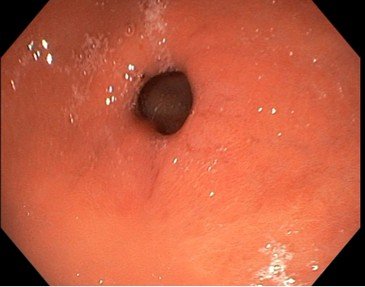
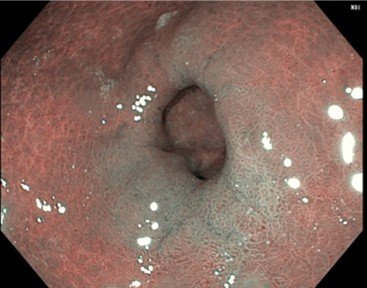
Gastric Cancer precursor lesions, otherwise known as changes in the stomach that can lead to Gastric Cancer is notoriously difficult to diagnose and easily missed during routine Endoscopy. Careful examination of a clear stomach is required to detect early changes.
To the experienced, you could already notice subtle changes in the images above. However switching to the NBI mode highlights the area of interest that enables accurate biopsy and therefore accurate diagnosis Gastric Intestinal Metaplasia (GIM) which is an early change that has potential to become Gastric Cancer. This patient would then require Surveillance in order to remove any potential Early Cancer changes in order to prevent progression to Gastric Cancer.
Changes that can become Gastric Cancer
Chronic Atrophic Gastritis (CAG)
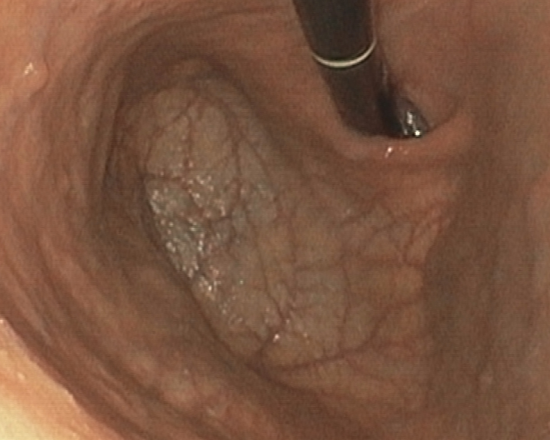
Chronic Atrophic Gastritis (CAG) can lead to the development of Gastric (Stomach) Cancer. The most common causes are either Helicobacter Pylori (H.Pylori) or Autoimmune Gastritis. However, regardless of the cause, patients will require Surveillance to in order to prevent development of Gastric Cancers.
H.Pylori infections typically present with Heartburn, Stomach Pains, Nausea, Bloating or even Iron Deficiency Anemia when an ulcer is present. We routinely perform a CLO test (Pronto) on all our patients during Endoscopy in order to detect H.Pylori infection. H.Pylori infections can be cured with combination antibiotics and proton-pump inhibitors, and upon completion we will routinely confirm eradication using Urea Breath Test (UBT). However H.Pylori can recur and you can get reinfected again.Also, occasionally the antibiotics fail and you need a different combination.
Autoimmune Gastritis on the other hand is related to vitamin B12 deficiency (pernicious anemia) and patients tend to present with symptoms of fatigue, pale skin, heart palpitations, dizziness, and tingling or numbness in the hands and feet. This condition is confirmed using blood tests and is often treated using Vitamin B12 injections.
Gastric Intestinal Metaplasia (GIM)
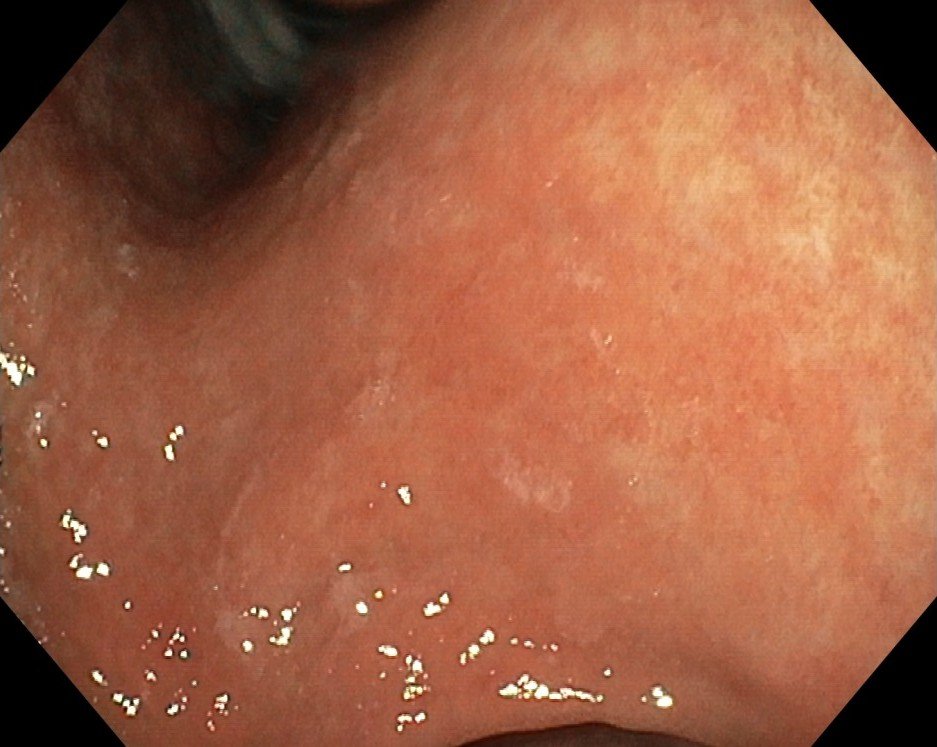
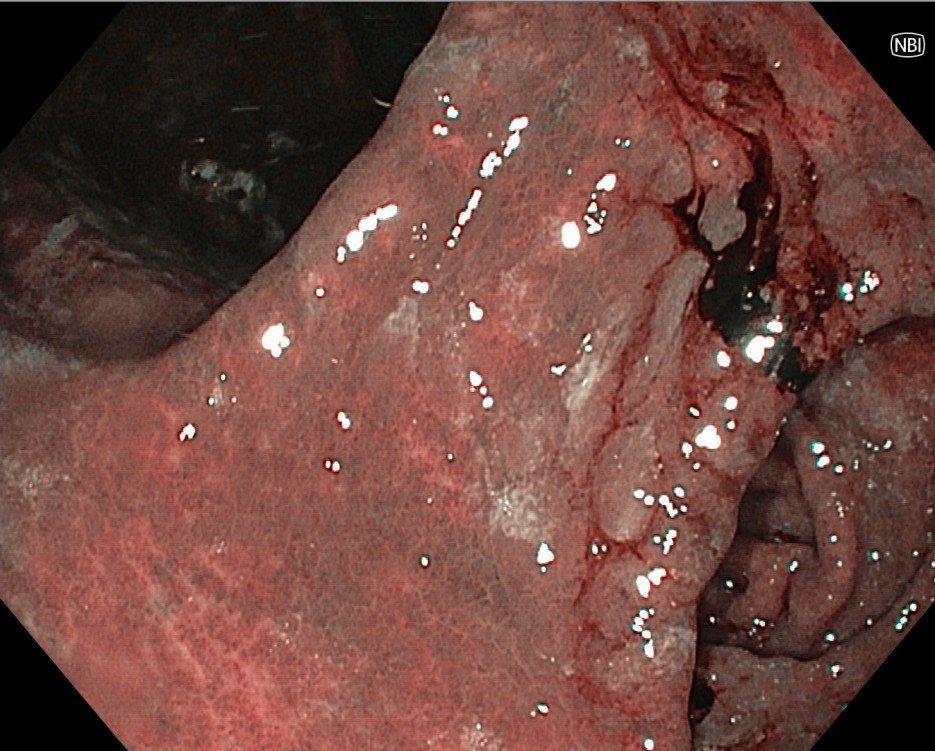
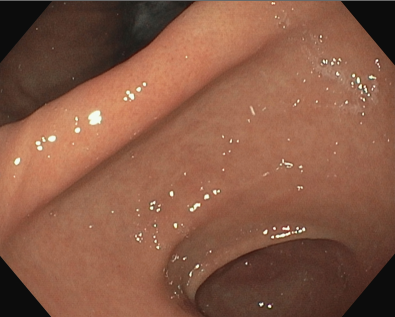
Chronic Atrophic Gastritis is often the first step in Atrophy-Metaplasia-Dysplasia-Cancer pathway that leads to Gastric Cancer. Gastric Intestinal Metaplasia (GIM) is the second step in the pathway and if left untreated, inevitably lead to Gastric Cancer. In Malaysia, the most common cause of Gastric Intestinal Metaplasia (GIM) is still H.Pylori infection. Unfortunately, treating H.Pylori does not reverse the changes once it has occured, but it does remove the primary cause, therefore Surveillance is still required.
Nodular Gastritis (NG)
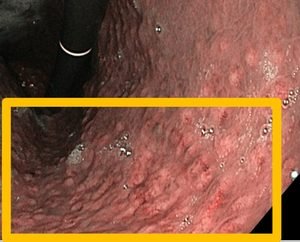
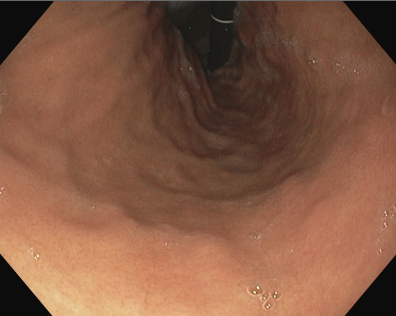
This is often overlooked but an important cause for Diffuse-Type Gastric Cancer because the “lumpy/bumpy/chicken skin changes” tends to involve large areas of the stomach. H.Pylori is often the cause and eradication of the H.Pylori often leads to regression of the nodular mucosa.
Helicobacter Pylori Testing Challenges and Limitations
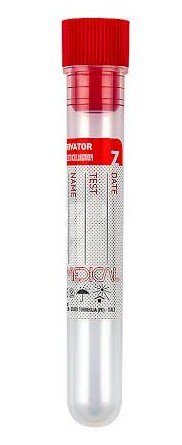

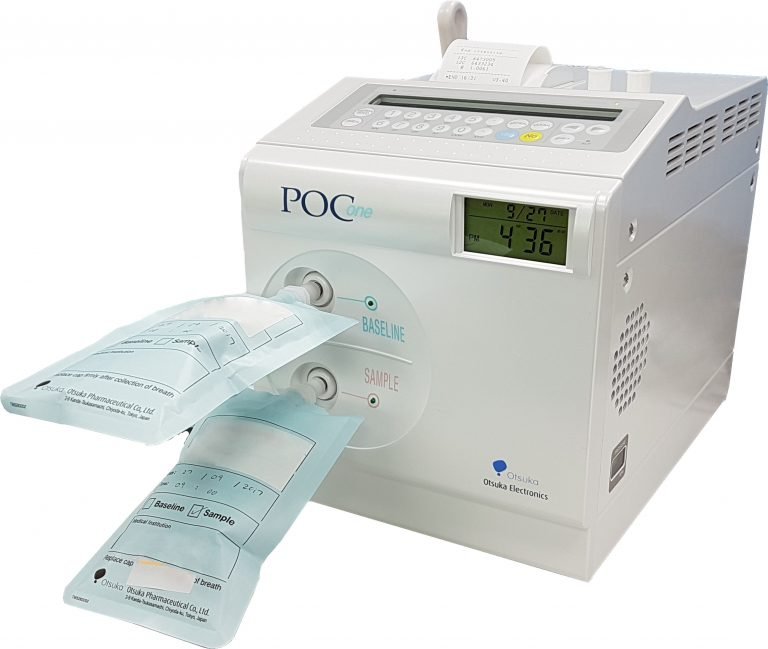
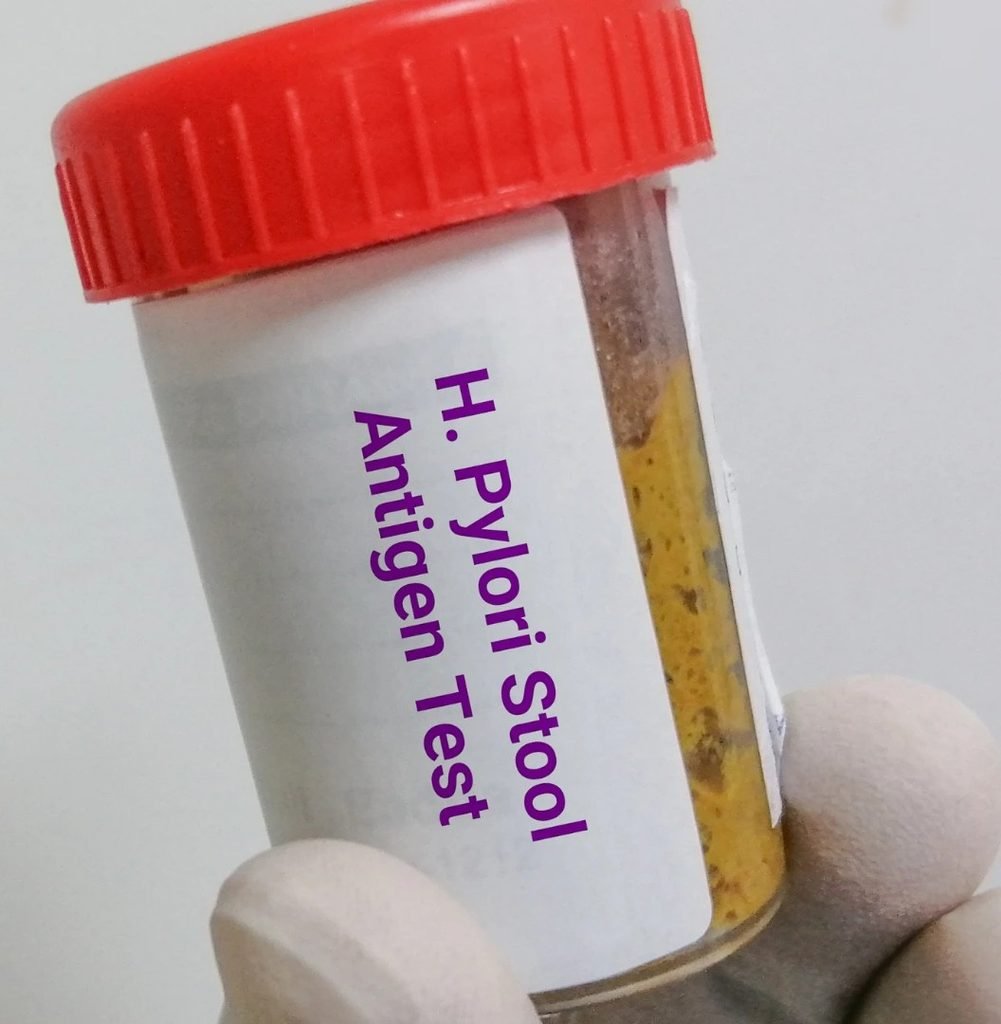
H.Pylori testing unfortunately requires extensive understanding of each individual modality and when to use it. Therefore just because you have a negative H.Pylori test does not mean you do not have the infection, it just might be wrong interpretation.
Most patients would have either received antibiotics or Proton Pump Inhibitors (PPI) from the GPs or Pharmacy prior to Endoscopy, so it is important that patient is confirmed to have negative H.Pylori testing.
Non-Healing Gastric Ulcer
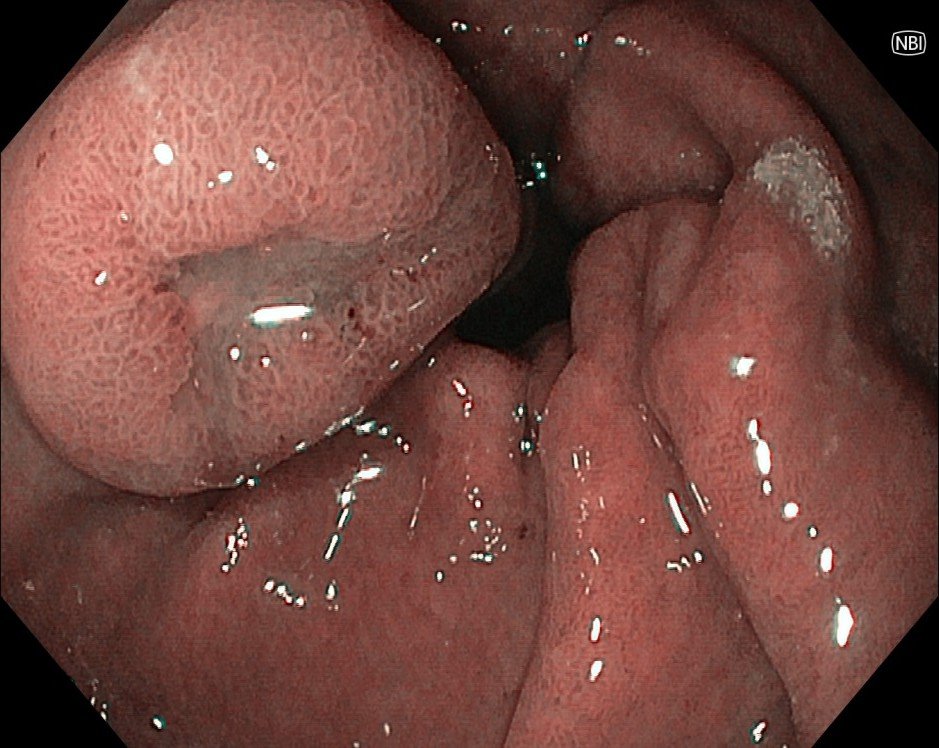
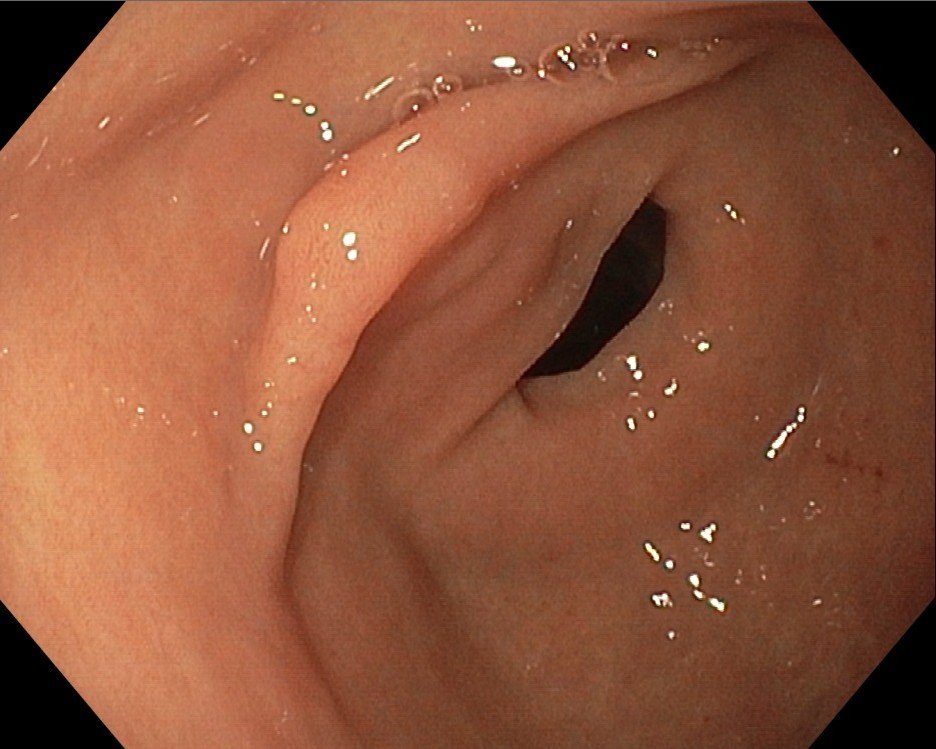
Non-healing gastric (stomach) ulcers, especially those that are large, advanced age, chronic painkiller use, smokers and those with family history of stomach cancer are at risk of actually being an undiagnosed hidden Gastric Cancer. It is important to take high quality biopsies in order to obtain accurate diagnosis and decide the treatment.
Alternative to Endoscopy
Generally speaking, no other modalities allow visual assessment and biopsy of the stomach lining like Endoscopy. Blood test and Urea Breath Tests (UBT) are only useful for the assessment of Helicobacter Pylori infection. Ultrasound cannot visualize the stomach and CT scan cannot see the inside of the stomach nor does it allow tissue sampling.
Do I need to see a Specialist?
Gastroenterologist like myself are trained to detect early changes in your Stomach before it can become cancer. I utilize technologies such as Narrow Band Imaging (NBI) to accurately detect and identify precancerous lesions and early cancer lesions, so that it can be biopsied for confirmation in order to enable endoscopic removal. If you are concerned about having stomach cancer or would like to screen for stomach cancer, please contact us to discuss your health condition today.


