Previously we discussed about Stomach Cancers and how to screen for early cancer changes. Colonoscopy on the other hand examines the colon and the last part of the small bowel for early changes such as polyps.
HOW DO I DETECT EARLY CANCERS IN THE COLON?
What is the Colon?
Colon mainly functions to transport dispose the waste from your body after all the nutrition has been absorbed by the small bowel. It also functions to reabsorb water for your body. This waste is stored in your rectum before being expelled when you open your bowels in the toilet.
Most colon problems tend to present as either stomach pains, cramps, diarrhea, mucous in the stool or tenesmus where you feel that you have not emptied your bowels completely. Constipation can cause bothersome bloating and belching. Patient can present with ALARM Symptoms such as bleeding with fresh blood.
UNDERSTANDING POLYPS
What is the Polyps and why is it important?
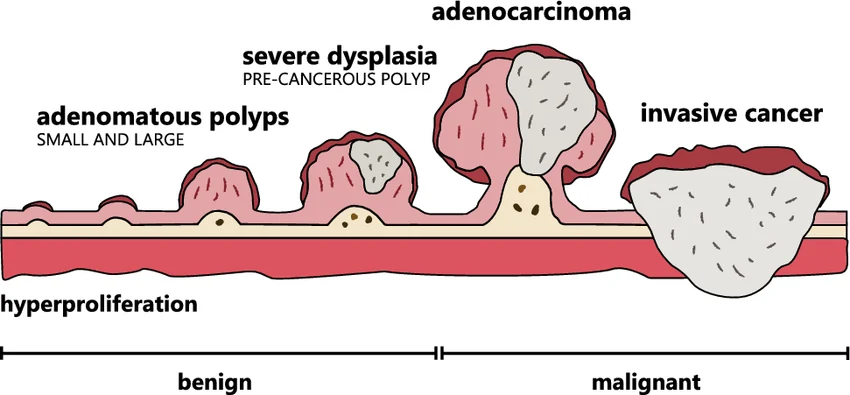
In simple terms, polyps become colon cancer. It is called the Adenoma-Carcinoma Sequence and small polyps grow over period of 5-10 years before becoming Colorectal Cancer (CRC). The main purpose of a colonoscopy is to detect and remove the polyps before it becomes cancer.
Different types of Polyps and Cancer Risks
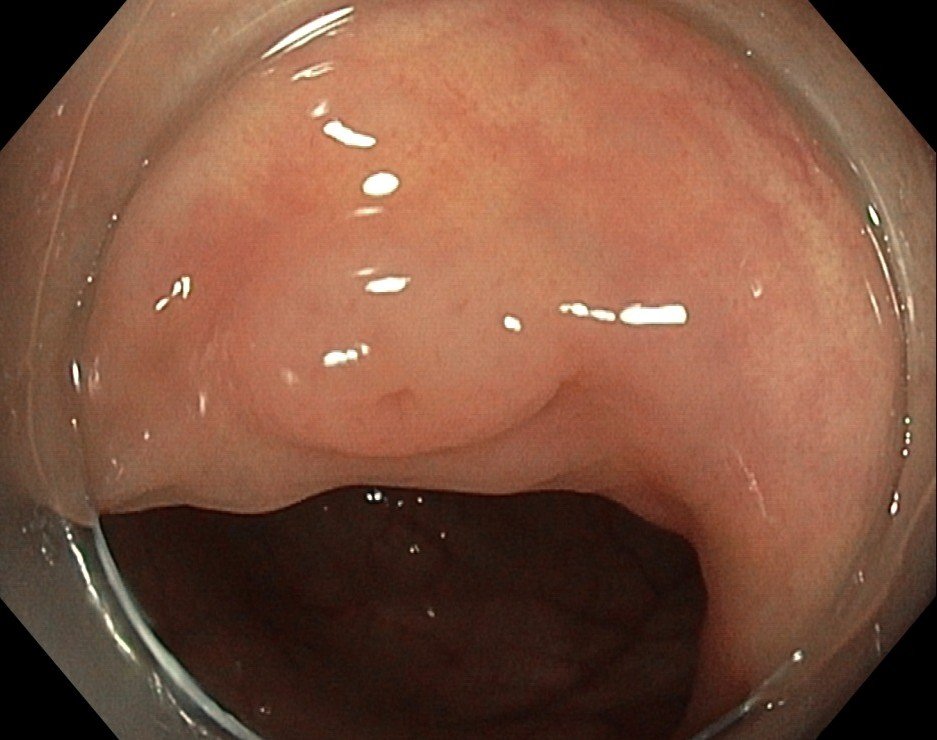
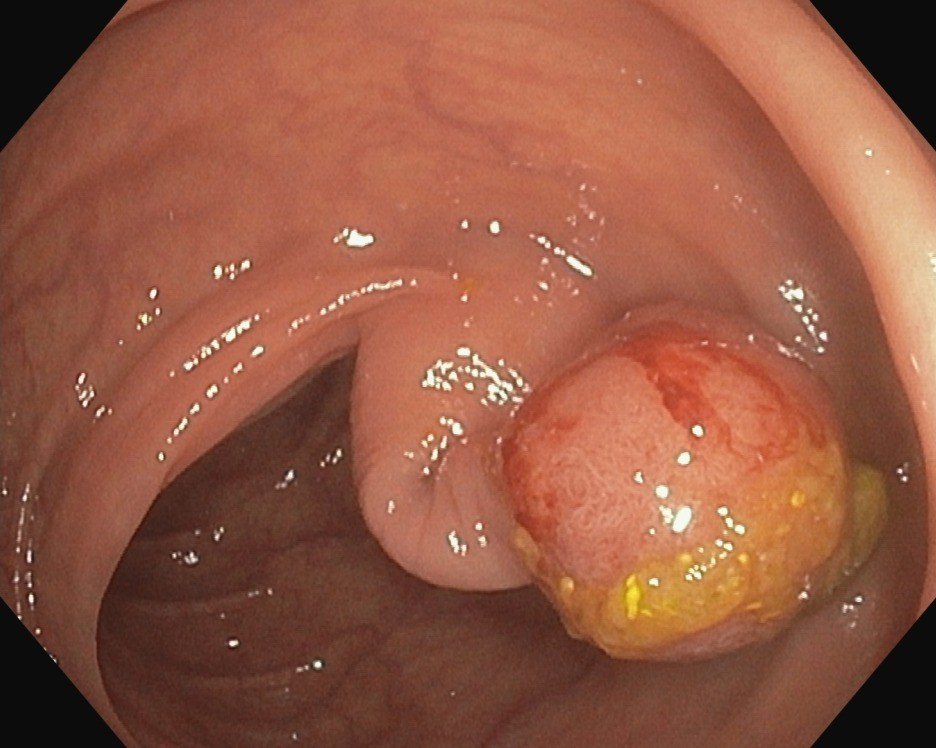
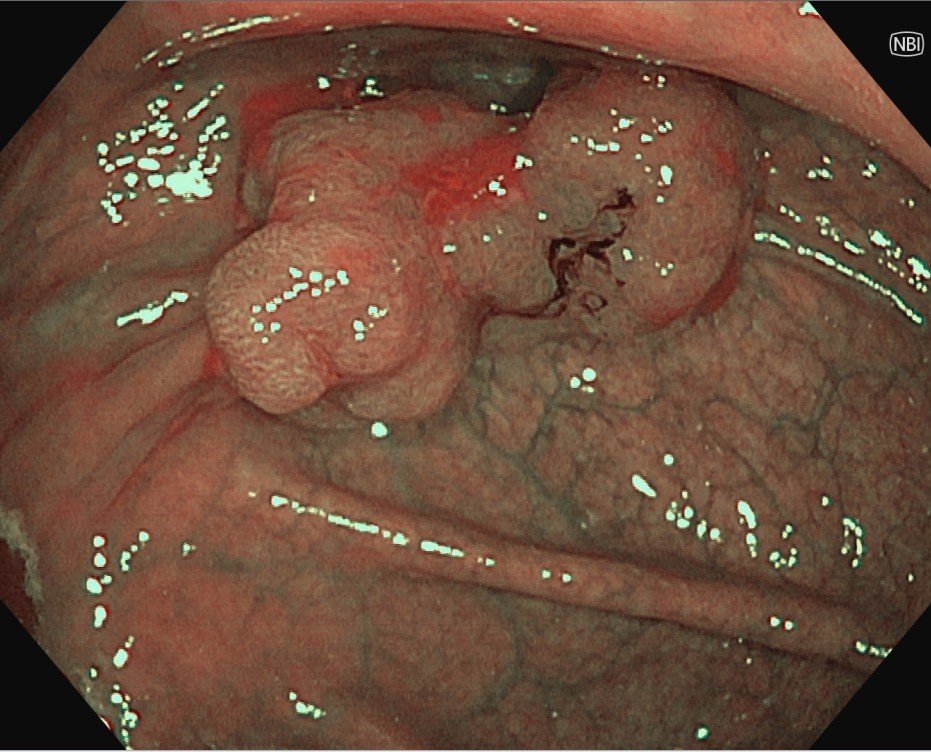
Are there different types of polyps? Why does it matter?
Pedunculated Polyp
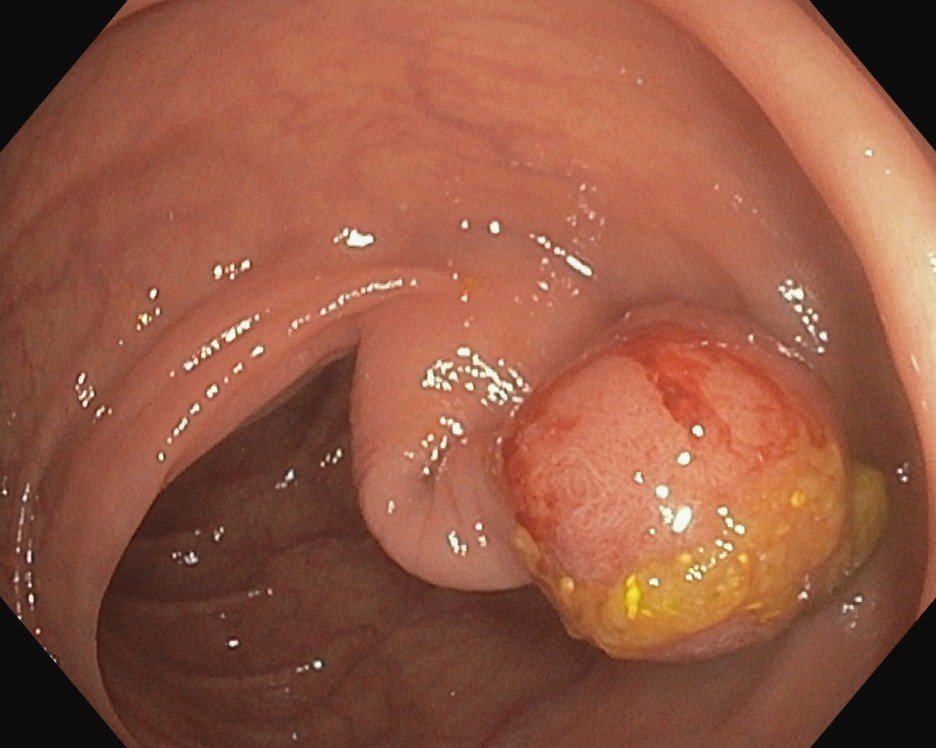
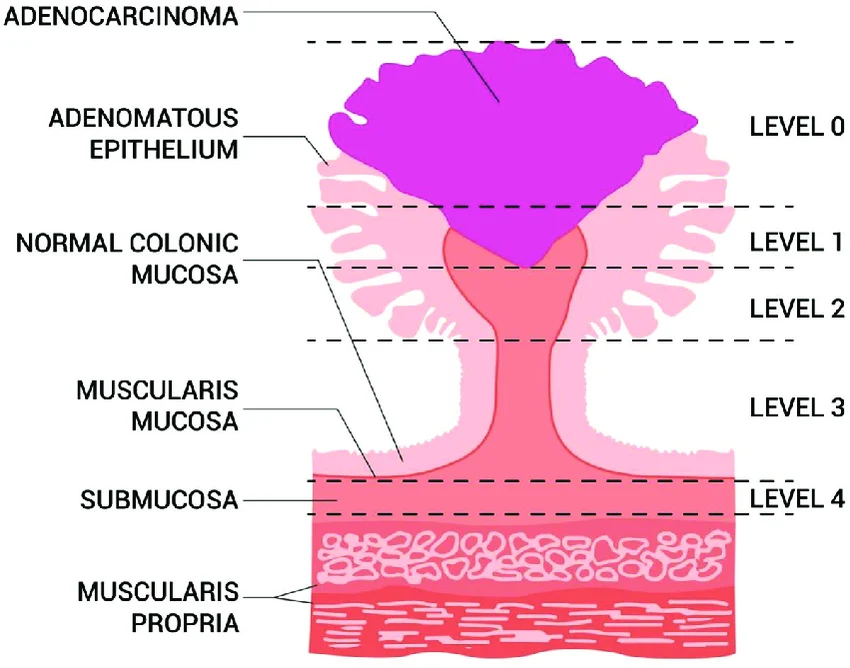
Since the cancer of pedunculated polyp often starts from the head, most polyps can be safely resected and sent to the lab. The pathology report will reveal the extent of the cancer or if there are any high-risk features that might require surgery.
Sessile Polyp
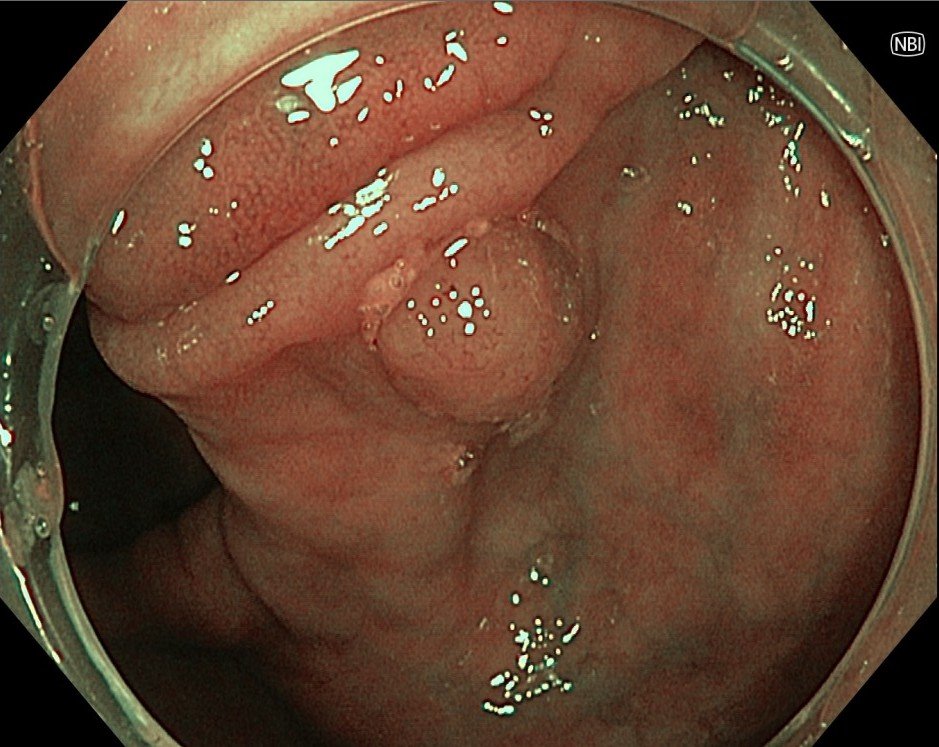
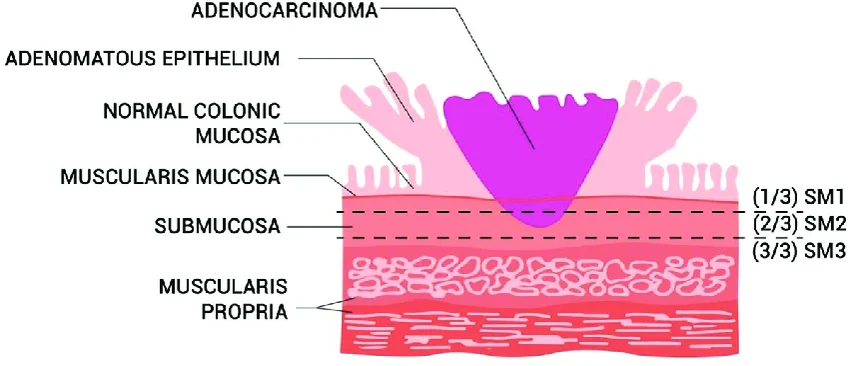
Since there is no stalk, all sessile polyps that are suspicious cancer should not be resected. Instead it should be biopsied, and if confirmed as cancer, patient should be referred for surgery instead.
Very large polyps
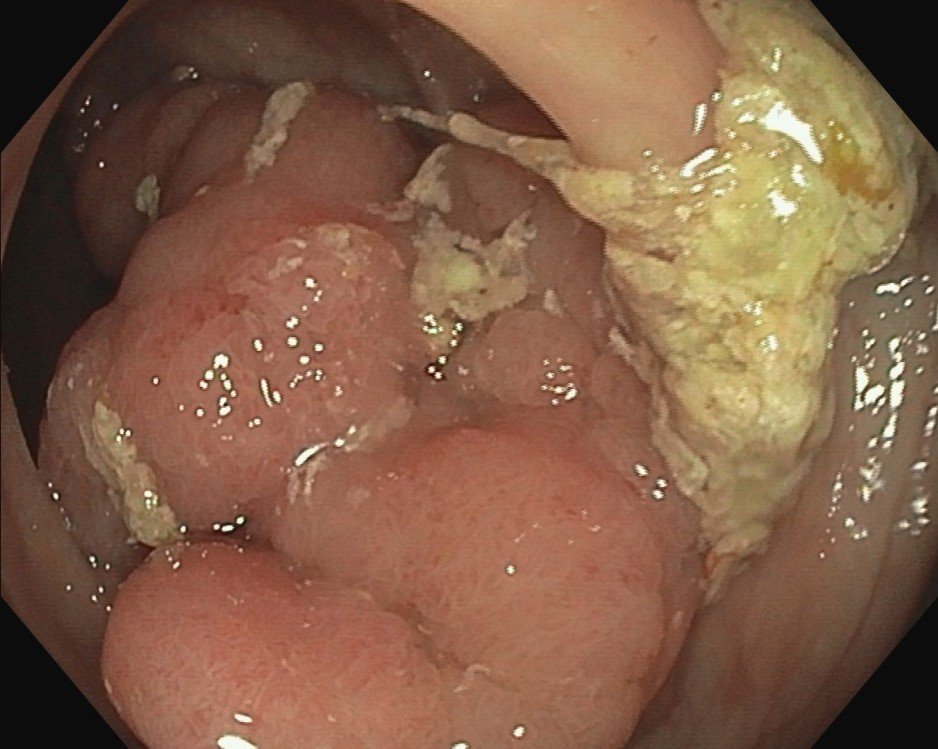
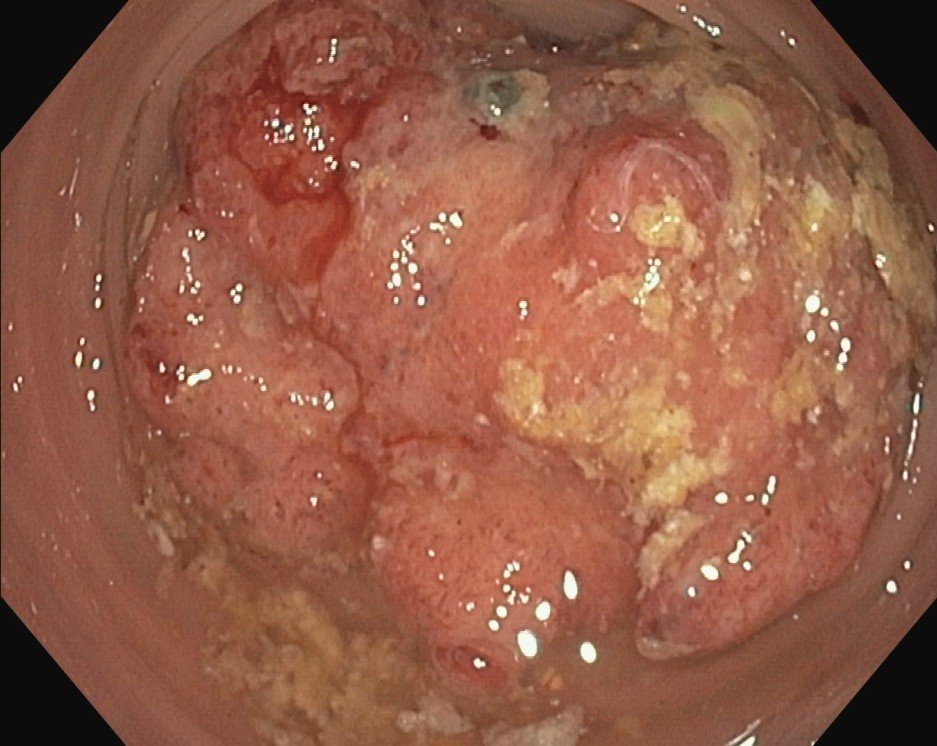
This is a very large polyp where you cannot see the beginning or the end in a single frame. Additionally it is located in a difficult position at the bend beside the liver. As expected, the biopsy only returned as Tubular Adenoma, Low Grade Dysplasia suggesting it might be a low risk polyp. This is a cautionary tale because the biopsy is likely inaccurate, and proper assessment requires the polyp to be removed in one piece because the larger the polyp, the higher the risk of cancer.
Why do you repeat Colonoscopy after removal of a Large Polyp ?
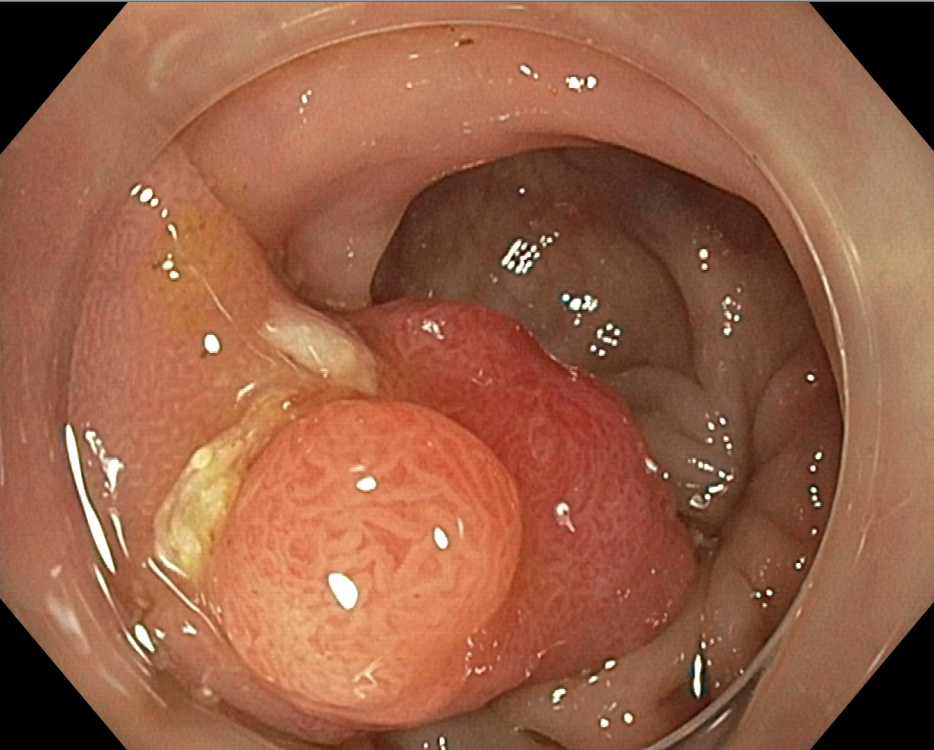
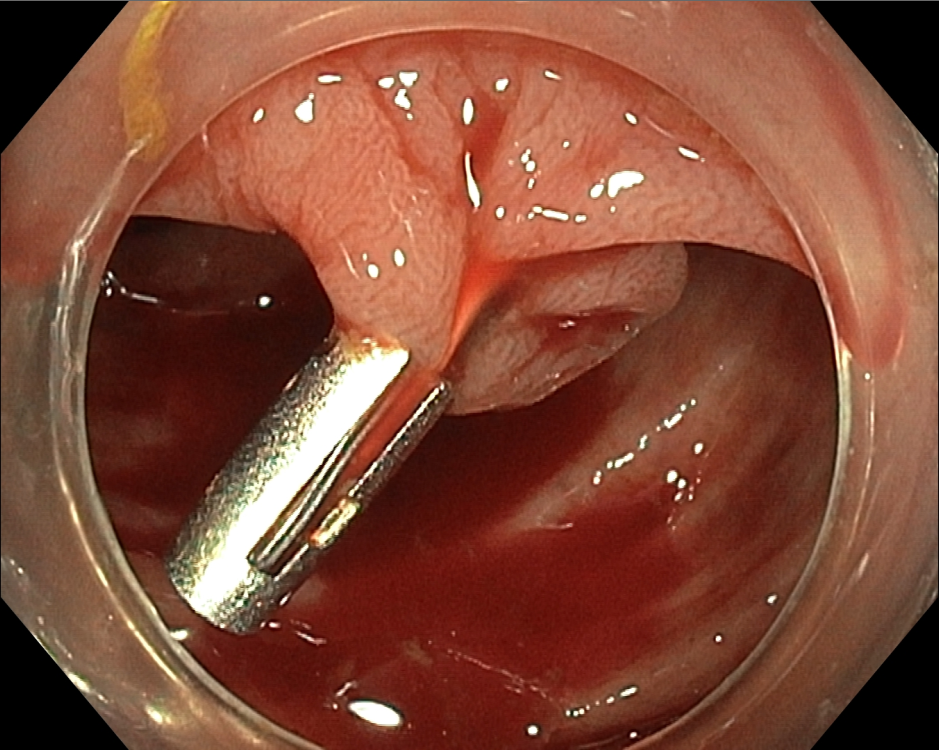
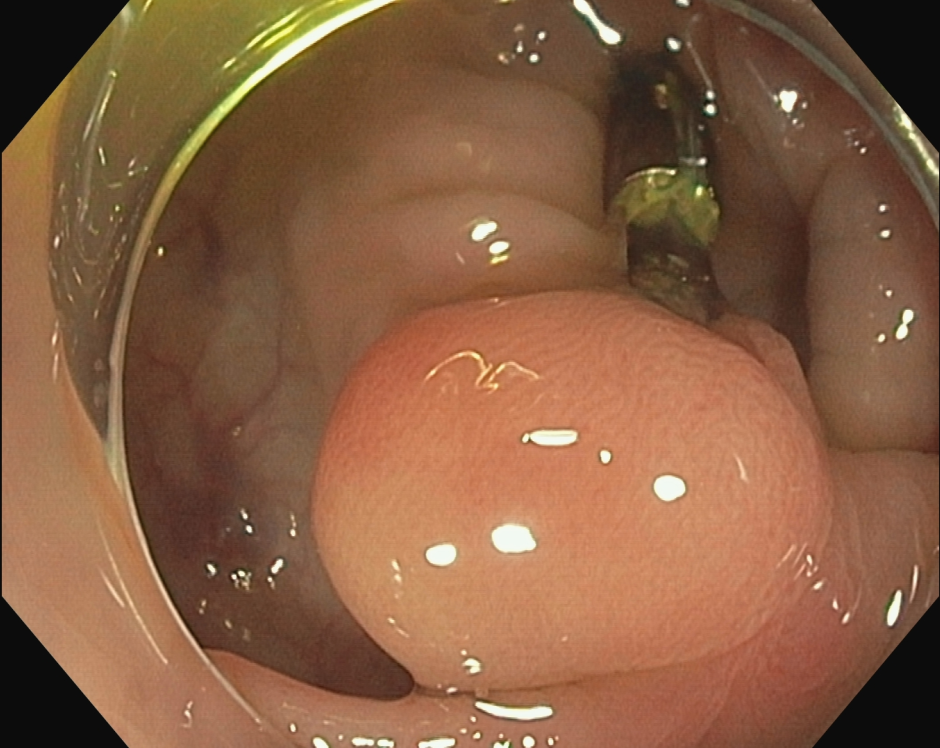
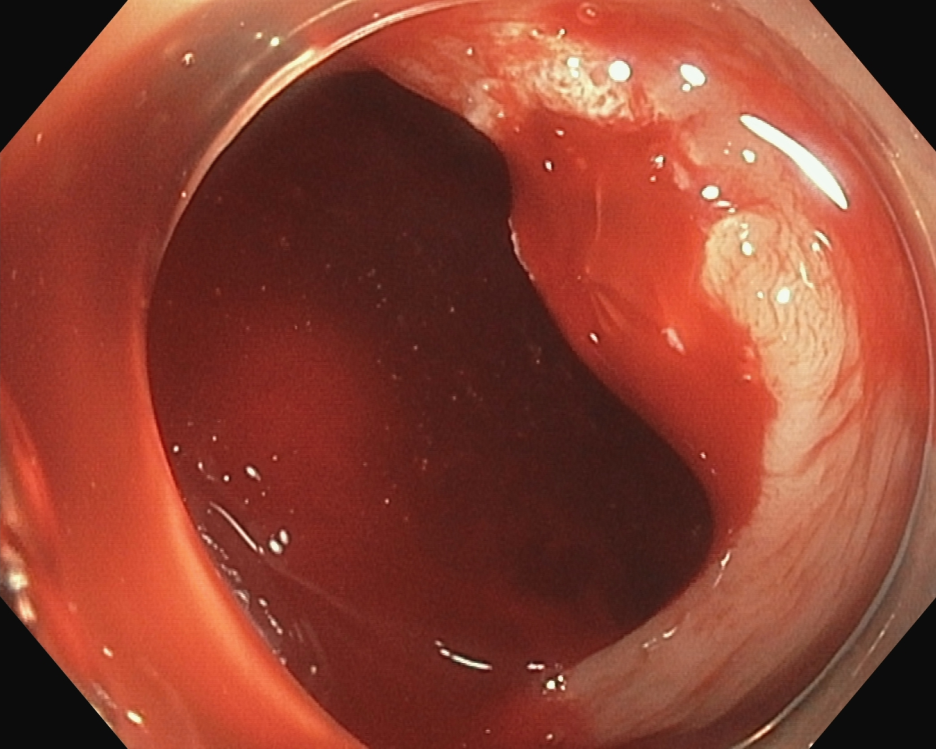
Large polyps can be difficult to remove during the initial endoscopy. A repeat endoscopy is usually performed 3 to 6 months later for reassessment and clearance.
SCREENING FOR COLORECTAL CANCER
Who is at risk for Colon Cancer ?
- Risk factors you can change
- Obesity
- Type 2 Diabetes mellitus
- Diet high in red meats and processed foods
- Smoking
- Alcohol use
- Colorectal cancer risk factors you cannot change
- Your age
- Your racial and ethnic background -Chinese are the most affected although Malays and Indians are catching u
- Male
- Cholecystectomy
- A personal history of colorectal polyps or colorectal cancer
- A personal history of inflammatory bowel disease – Ulcerative Colitis or Crohn’s Disease
- A personal history of radiation to the abdomen or pelvis area – Prostate cancer
- A family history of colorectal cancer or adenomatous polyps
- Having an inherited syndrome or certain genetic conditions
Citation : American Cancer Society
Why is Family History of Colon Cancer so important ?
A strong family history in your parents or uncles are probably the strongest indication for getting a Colonoscopy, because the risk for Colon Cancer is inherited and you cannot change genetics. You cannot use FOBT or Blood Tests with or without tumour markers as alternative.
Screening for Colon and Colorectal Cancer. What is the best test?
In a Public Health setting where population based screening should be cost effective, such as Klinik Kesihatan or Community/Retail Pharmacies, tests such as Faecal Occult Blood that can be easily purchased are useful to screen for Colon Cancer in a normal healthy population with no symptoms whatsoever. However, most patients also have routine blood tests at Laboratories, Pharmacies or General Practitioners (GPs) Clinics and anaemia (hemoglobin less than 13 g/dL in men and 12 g/dL in women) in the blood test is a very important sign that patient should be assessed by a specialist.
In a Private Hospital, where most patients either already have symptoms, anaemia or abnormal tumour markers, most patients proceed for Colonoscopy in order to accurately detect, diagnose and remove polyps or confirm presence of Colon Cancer.
Other tests such as Capsule Endoscopy and CT Virtual Colonoscopy, while less invasive, have their own limitations, especially where these tests might miss small polyps. Additionally these tests are expensive and if a polyp is found, patients will require a Colonoscopy anyway.
COLITIS, INFLAMMATORY BOWEL DISEASE (IBD) AND COLON CANCER
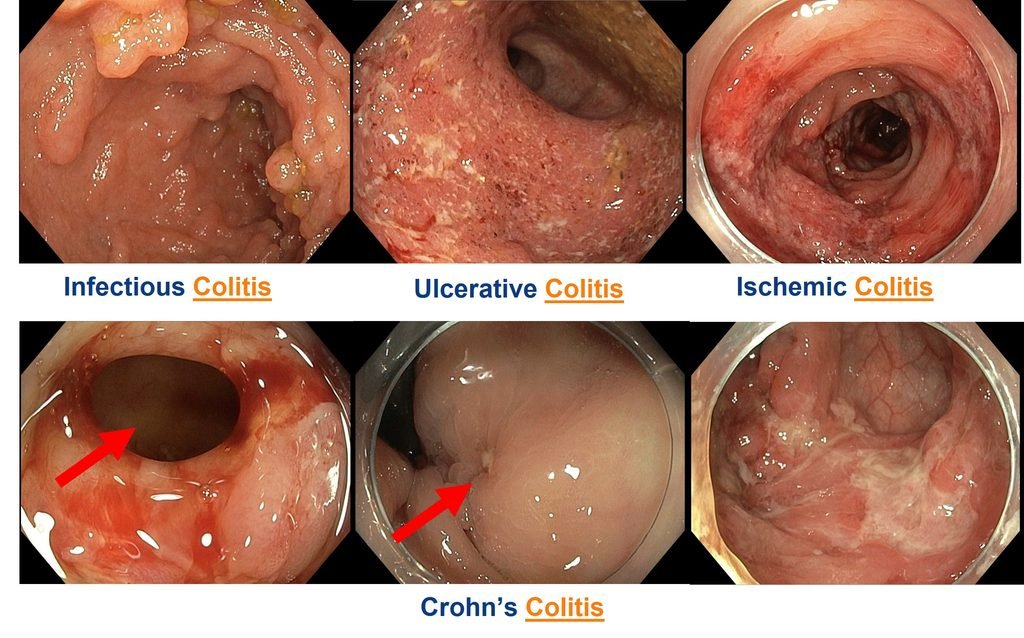
Colitis is a broad term used to describe inflammation of the bowel. Patients who are critically ill tend to have ischemic colitis due to poor blood supply to the colon and those with infections and food poisoning tend to have infectious colitis, but both infectious and ischemic colitis resolves upon treatment. Whereas Inflammatory Bowel Diseases (IBD) such as Crohn’s and Ulcerative Colitis are autoimmune in nature and therefore cannot be cured. The ongoing inflammation significantly increases their risk for Colorectal Cancer. Colon cancer in IBD patients are difficult to diagnose as most of the colon is not normal, it is like finding needly in a haystack.
BOWEL PREPARATION, WHY IS IT IMPORTANT?
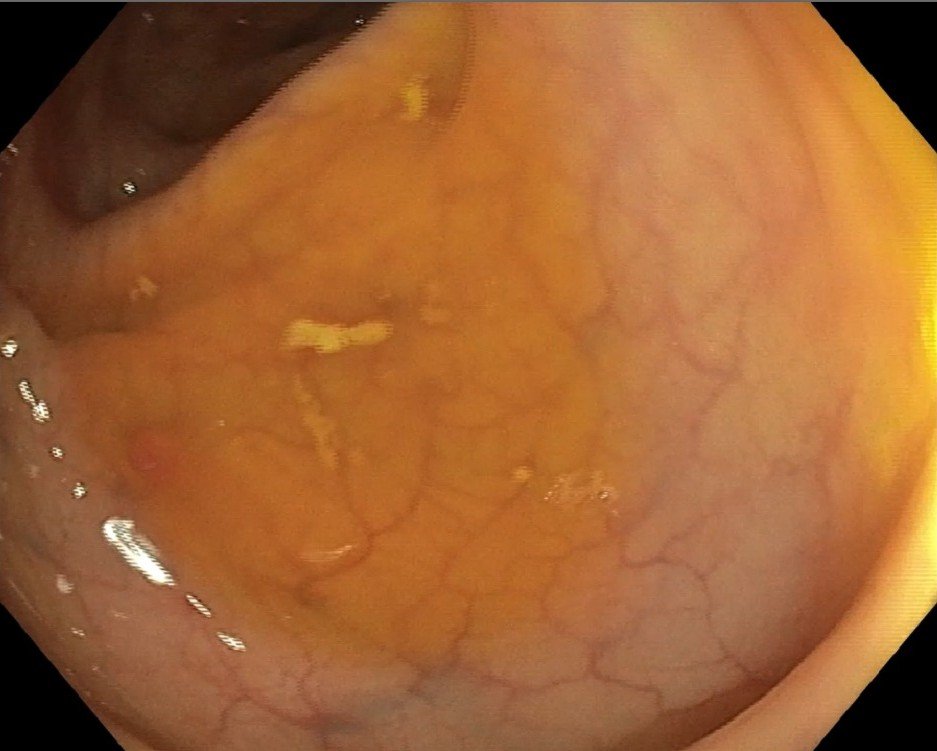
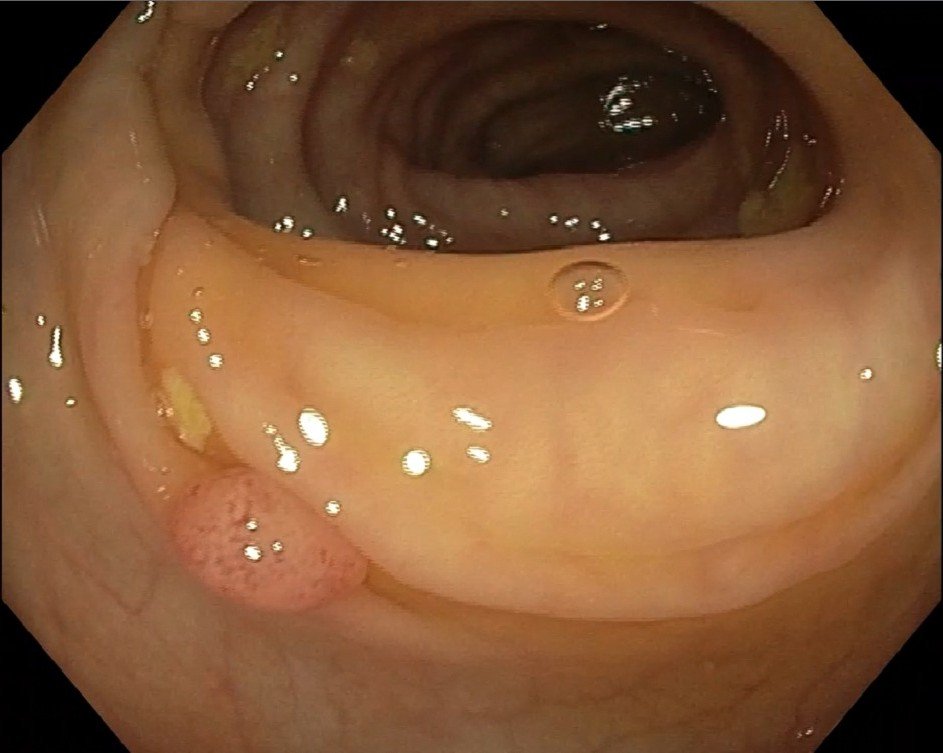
A clean and well prepared bowel is probably the most important factor in enabling detection of polyps, especially the small ones. Read more about bowel preparation for colonoscopy here.
Alternative to Colonoscopy
Generally speaking, no other modalities except allow visual assessment and polyp removal at the same time. Blood tests, tumour markers, capsule endoscopy and Imaging tend to miss smaller polyps. a
Do I need to see a Specialist?
Gastroenterologist like myself are trained to detect early changes in your Colon before it can become cancer. I utilize technologies such as Narrow Band Imaging (NBI) to accurately detect and identify precancerous lesions and early cancer lesions, so that it can be biopsied for confirmation in order to enable endoscopic removal. If you are concerned about having colon cancer, have a family history or would like to screen for colon cancer, please contact us to discuss your health condition today.
What to do next?
See our packages or contact us to discuss your health concerns.


